


English


ABOUT ORGANIC-LOCK
DESIGN, INSTALLATION & MAINTENANCE
ADDITIONAL RESOURCES
PRODUCT SPECIFICATIONS
PROJECTS
WHERE TO PURCHASE
CONTACT US
DEALER LOGIN
The Harvard Science and Engineering Complex (SEC) in Boston MA is a landmark project embodying the university's commitment to sustainability. Completed in 2020, the complex is not only a hub for scientific research, but also a model for integrating landscape architecture with advanced stormwater management and climate resilience strategies. The landscape design, led by STIMSON, focuses on addressing challenges such as urban flooding and storm surges from the nearby Charles River. A unique aspect of the project is the extensive on-structure landscape; nearly the entire site is built on top of a large below-grade structure housing parking facilities and service space.
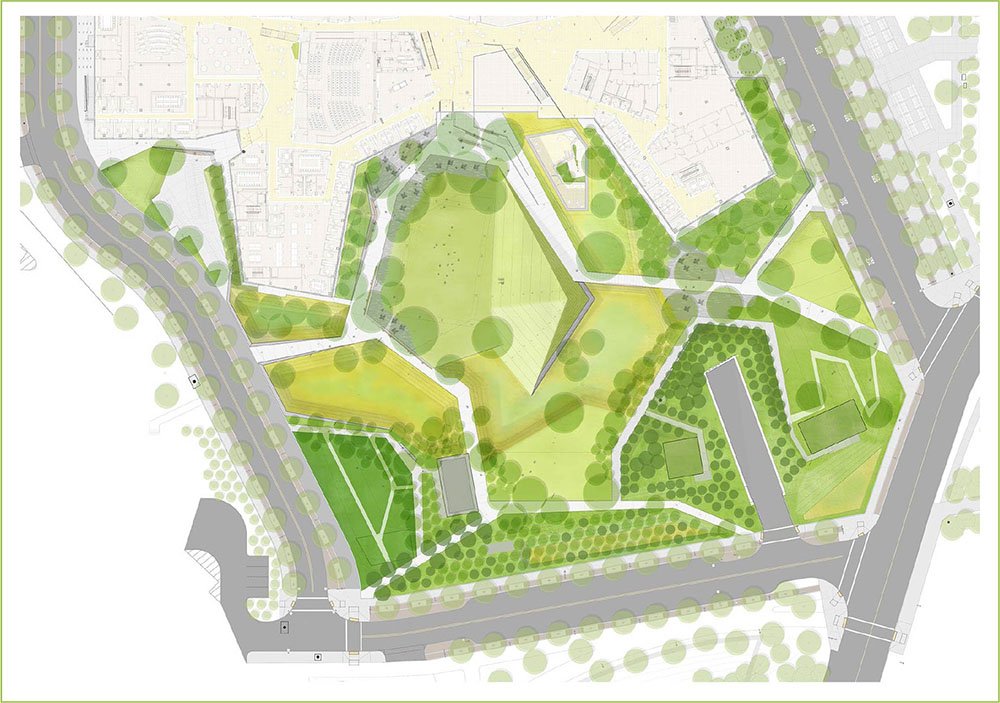
tormwater Management Concept Section Courtesy of STIMSON
Sustainability and Stormwater Management
Sustainability was the overarching goal for both the building and the landscape at Harvard SEC.

“THE ENTIRE PROJECT HAD AMBITIOUS SUSTAINABILITYGOALS. ONE OF THE MAIN PURPOSES OF THE LANDSCAPEWAS STORMWATER MANAGEMENT: TO MITIGATE URBANFLOODING AND TO BE READY FOR FLOODS FROM THECHARLES RIVER WHICH RUNS NEARBY. WE WERE ABLE TOCREATE SEVERAL BIORETENTION BASINS TO COLLECT ASMUCH STORMWATER AS POSSIBLE AND BRING IT TOCISTERNS UNDERGROUND. THE STORMWATER WOULD THENBE REUSED FOR IRRIGATION AS WELL AS SOME TOILETFLUSHING.”
- Ryosuke Takahashi, Senior Associate, STIMSON
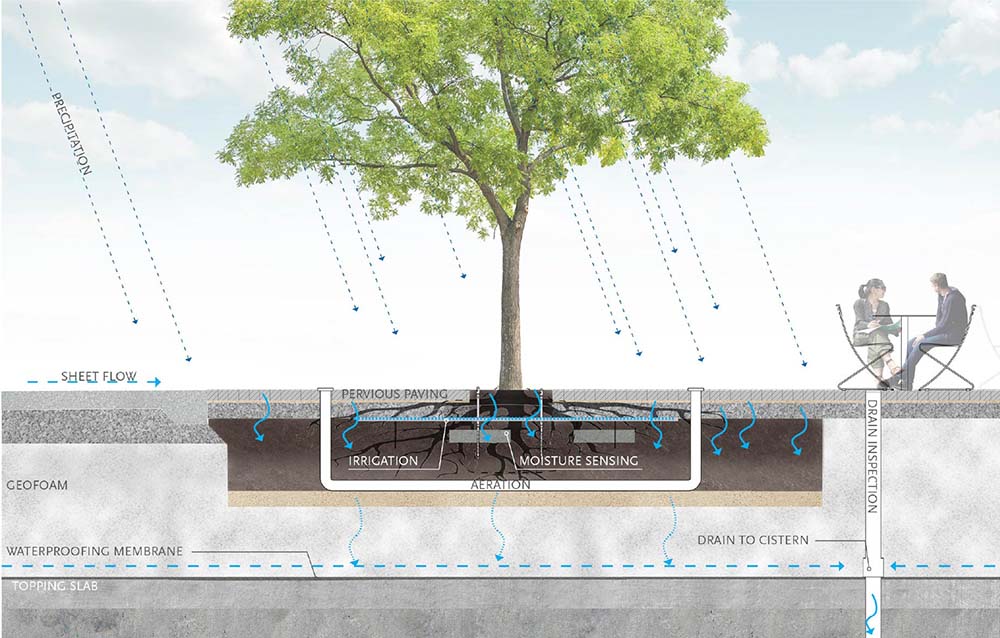
Concept Plan Courtesy of STIMSON
This system reduces building water use and prepares the site for potential flooding events. During the design phase, it was estimatedthat on-site stormwater conservation and reuse would reduce irrigation water demand by over 1 million gallons annually – a reductionof over 70%. This approach also offsets 71% of lab water and 73% of toilet flushing water in the Harvard SEC building, minimizing thedemand on municipal water infrastructure. The site itself is capable of managing 100% of stormwater runoff up to and including the100-year storm event.
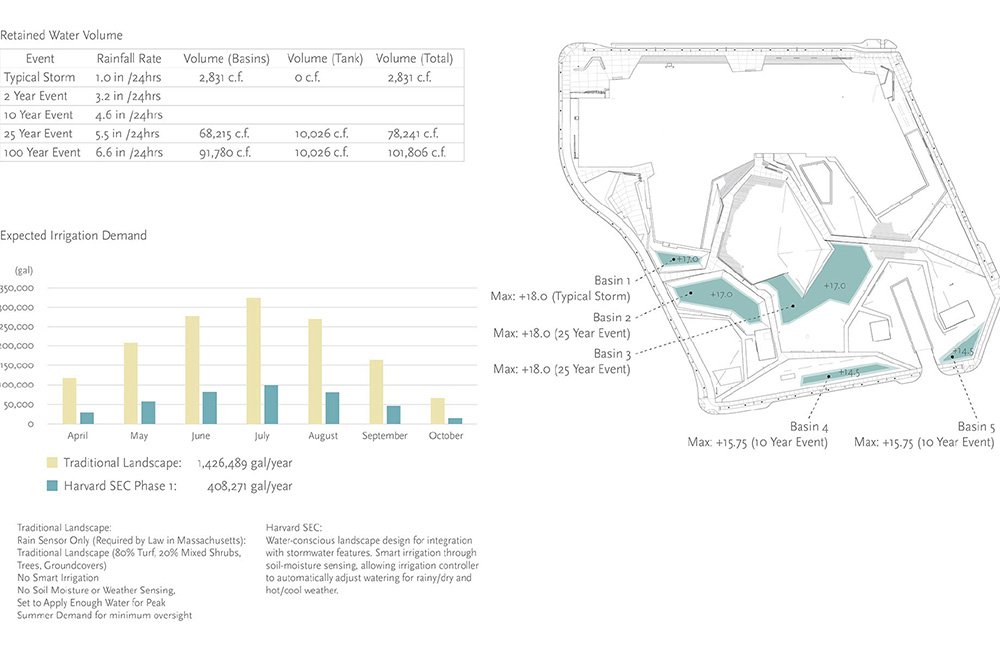
Irrigation Demand Offset Calculations and Bioretention Basin Plan Courtesy of STIMSON
On-Structure Landscape Design
One of the most significant challenges was designing the landscape atop a structure. "It’s a little bit difficult to perceive on site, but pretty much the whole landscape is actually on-structure. This was the biggest design challenge we faced, because of constraints such as weight limitations, insulation, and waterproofing," Takahashi noted. This unique aspect required careful consideration of structural load limitations, particularly soil depth. The design team used geofoam to create the site’s signature landforms without overburdening the structure.
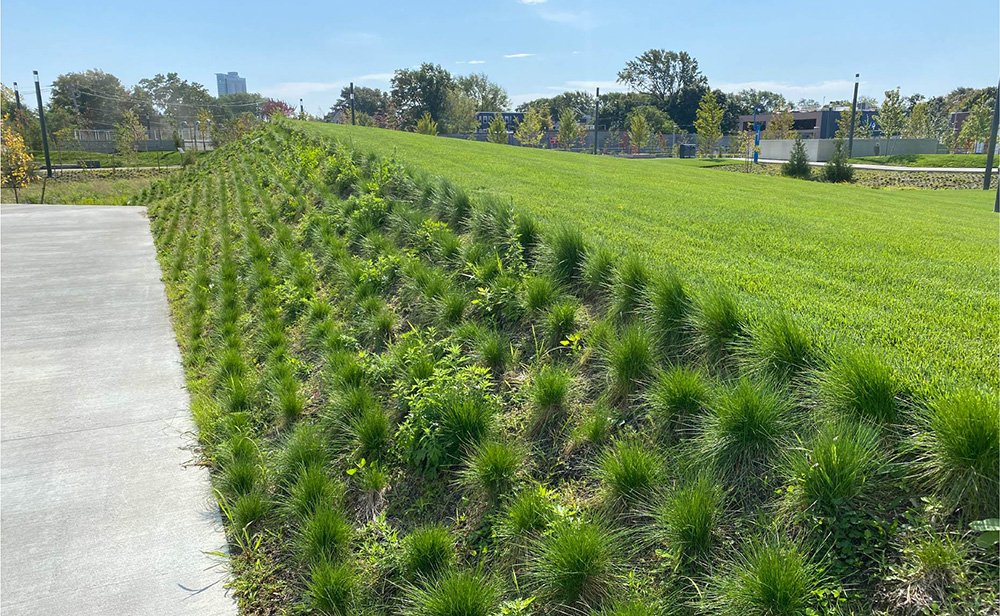
Photo Courtesy of Read Custom Soils
Pathway Surfacing Material Selection
The pathways at SEC were designed to establish a clear hierarchy, distinguishing between primary and secondary routes. The mainpathways are concrete, while the secondary paths were designed to be distinct yet cohesive. "We wanted the pathway hierarchy to beclear, with the main paths being concrete and the secondary paths being distinct but still color-matched to the concrete," explainedTakahashi. The material chosen for the secondary paths was originally planned to be permeable resin-bound aggregate but was laterchanged to stabilized aggregate during the value engineering process. This change was driven by cost considerations and the needfor a permeable, low-maintenance surface that could fulfill the design's aesthetic and functional requirements.
"EASE OF MAINTENANCE WAS A CONSIDERATION IN MATERIAL SELECTION. WITHOUT STABILIZATION, STONE DUST CAN REQUIRE A LOT MORE MAINTENANCE THAT COULDRESULT IN SIGNIFICANTLY HIGHER COSTS OVER THE LIFE CYCLE OF THE PROJECT. ON TOP OF THAT, IF MAINTENANCE ISN’T DONE WELL, PATHWAYS CAN EVENTUALLY FAIL TOMEET ACCESSIBILITY REQUIREMENTS."
- Ryosuke Takahashi, Senior Associate, STIMSON
Material Specification and Supply
Organic-Lock Stabilized Aggregate (OLSA) was chosen for the secondary pathways after considering its technical advantages,aesthetic qualities, and cost-effectiveness. OLSA combines a specifically graded aggregate with a patented, renewable, plant-basedbinder to create a mixture that is designed to be used for permeable and natural-looking pathways and surfaces. OLSA was selectedover other materials due to its ability to create durable, low-maintenance surfaces that harmonize with the concrete main pathways atHarvard SEC.
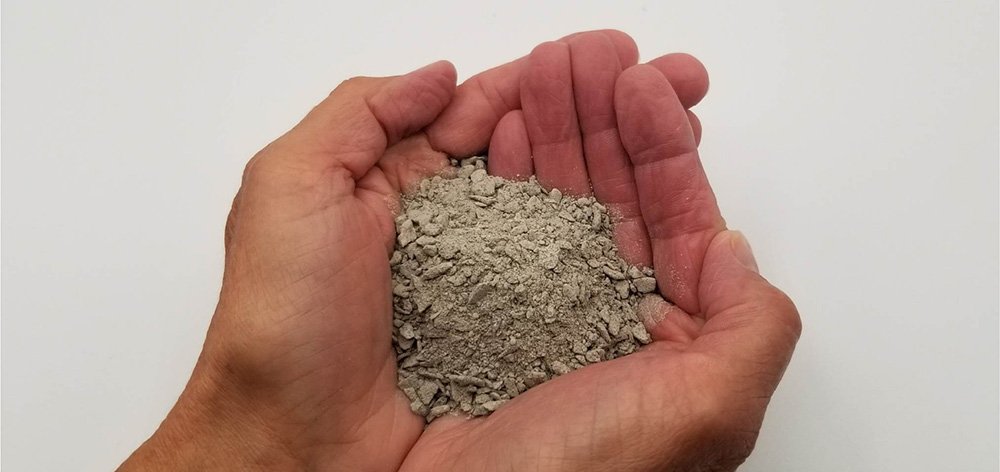
Read Custom Soils supplied 120 tons of OLSA in Natural Stone Dust for the natural pathways at Harvard SEC. Read Custom Soils blends approved aggregates with the Organic-Lock binder and water to deliver top quality, ready to install stabilized aggregate to projects like Harvard SEC.
In addition to OLSA, Read Custom Soils supplied ten other specialty precision blended soils for the Harvard SEC project.
“THIS PROJECT USED NEARLY EVERY ENGINEERED SOIL THAT READ CUSTOM SOILS MANUFACTURES. OVER THE 3 YEAR CONSTRUCTION PERIOD, WE DELIVERED OVER 28,000 CUBIC YARDS OF VARIOUS ENGINEERED SOIL TYPES; OVER 1,000 TRACTOR-TRAILER LOADS.”
- Anthony Will, Read Custom Soils
The result is a showcase for how engineered soils can be used in a high-performance landscape.
The design team at STIMSON worked closely with Behnisch Architekten (architect), Nitsch Engineering (civil engineer), Aqueous Consultants (water resource engineer), Pine and Swallow (soil scientist), Turner Construction (general contractor), and BrightView Landscape Development (landscape contractor) to bring the Harvard SEC concept to life. This collaboration was essential in navigating the challenges posed by the on-structure design and the integration of advanced stormwater management systems. Each team contributed specialized expertise, ensuring that every aspect of the installation - from material selection to the final touches - was executed with precision.
Read Custom Soils provided on-site assistance on the first day of the OLSA installation, delivering properly blended and hydrated crushed aggregate and providing guidance to the installation team on how to install OLSA. The installation of OLSA on the secondary pathways was straightforward, requiring attention to a few key details to ensure success. Proper base preparation provided a stable foundation, and heavy compaction ensured that the pathways could withstand heavy foottraffic without issue. Managing the moisture content of the OLSA was another component of the installation; hydration levels were controlled to optimize the binder’s performance and achieve full compaction.
This comprehensive construction approach resulted in a network of pathways that are not only visually cohesive with the surrounding landscape but also resilient against the demands of an urban campus environment with built-in stormwater management.
The landscape project at Harvard SEC overcame several challenges stemming from the complexity of integrating sustainable design within a highly engineered environment.

On-Structure Landscape: Designing and installing a landscape atop a below-grade structure posed challenges related to structural load limitations. The use of geofoam enabled the design team to create distinctive landscape forms without over-burdening the structure below.

Stormwater Management: Integrating a high-capacity stormwater management system into thelandscape required creative design effort and extensive collaboration with cross-disciplinary teams.“Because the landscape design is so integrated with the overall water management system, a lot ofcoordination was required with the water utility provider, civil engineers, irrigation consultants, architects,and building MEP [mechanical, electrical, plumbing] engineers” recalled Takahashi.
The Harvard SEC landscape successfully integrates advanced stormwater management with a high-performance on-structure landscape, demonstrating how innovative design and thoughtful material selection can address complex challenges. The landscape design earned STIMSON the 2024 Boston Society of Landscape Architects (BSLA) General Design Merit Award.
Further underscoring its sustainability achievements, Harvard SEC has been certified LEED Platinum and has achieved Living Building Challenge Petals in Materials, Beauty, and Equity for its energy-conscious and efficient design; water reclamation and reuse priorities; comprehensive integration of multiple forms of green infrastructure; and climate resilient design. The Harvard SEC landscape not only serves as a functional and beautiful space but also provides a model for integrating sustainability into complex design projects.
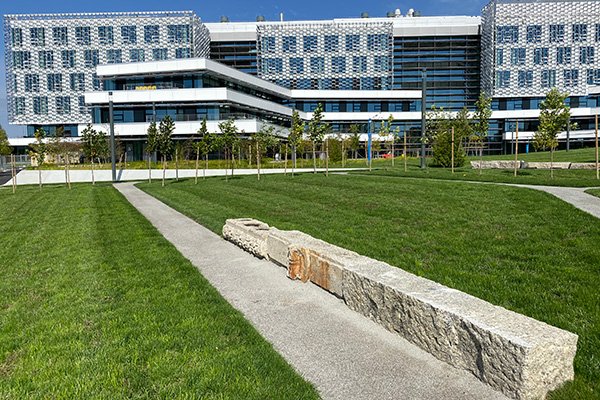
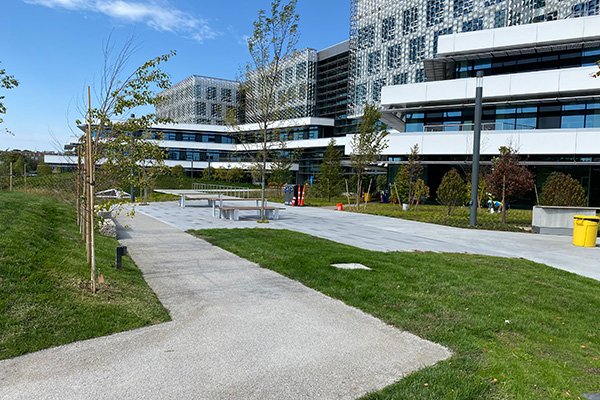

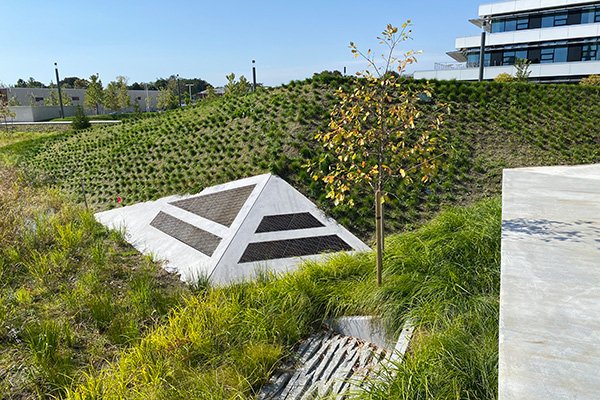
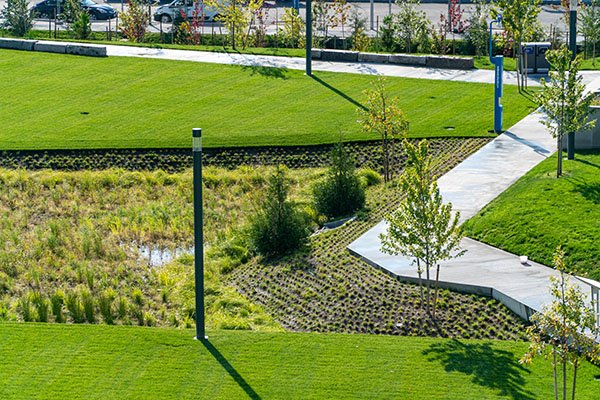
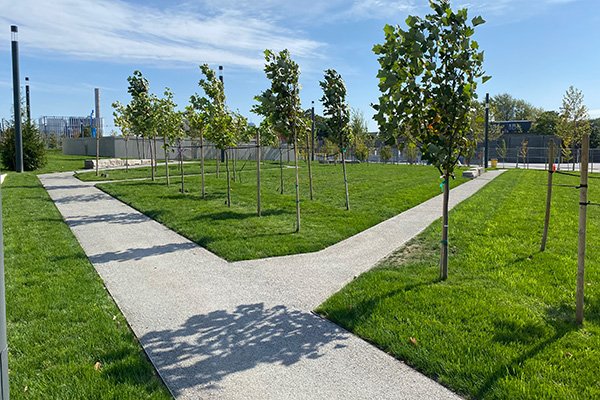
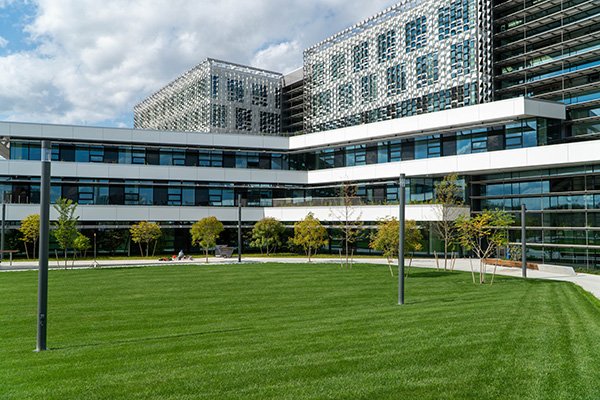
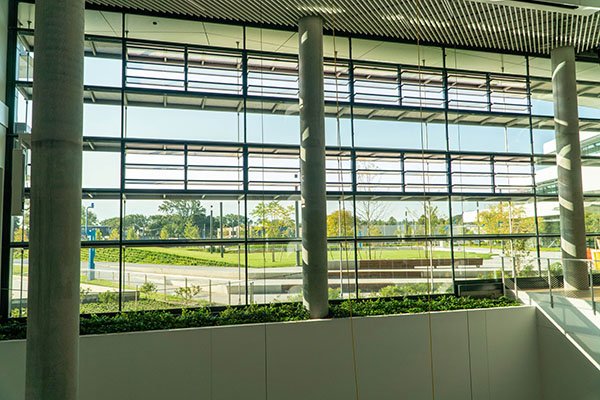
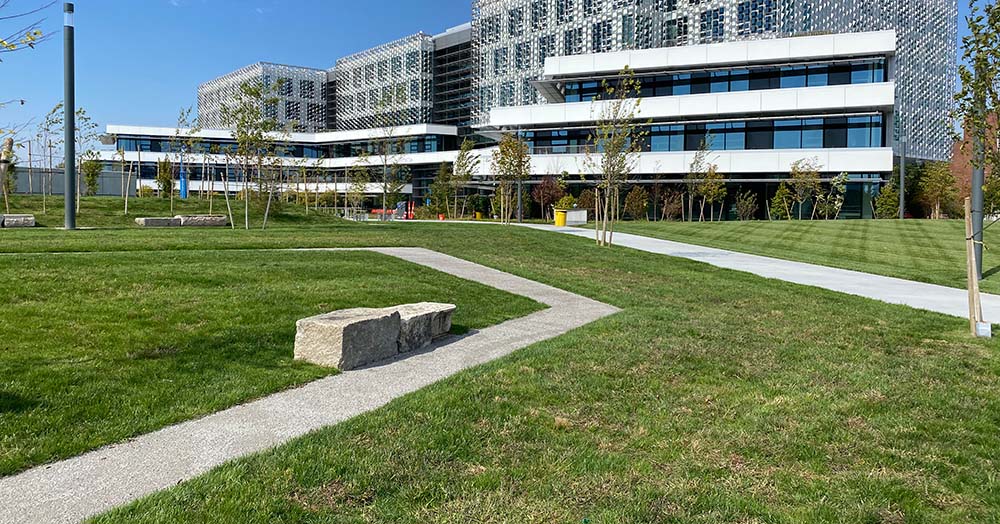
Photos Courtesy of Reads Custom Soils
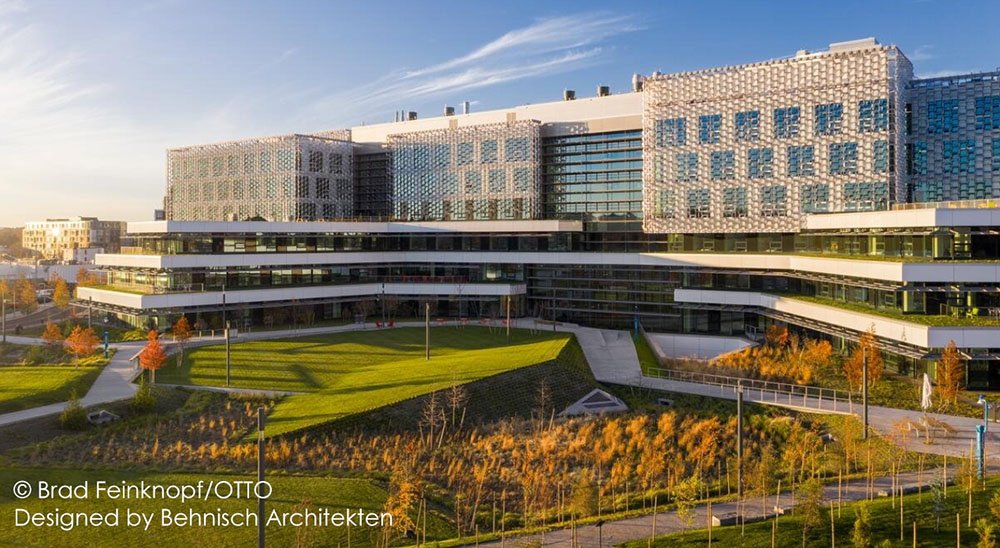
Collaborators
STIMSON - https://www.STIMSONstudio.com/harvard-allston-science-and-engineering-complex
Read Custom Soils - https://readcustomsoils.com/
Organic-Lock - www.organic-lock.com/
Further Reading
https://www.bslafieldbook.com/harvard-university-sec
https://www.bslanow.org/sponsor-spotlight-read-custom-soils
https://livingarchitecturemonitor.com/articles/the-harvard-university-science-and-engineering-complex-embracing-climate-innovation-fa23 TOP