Organic-Lock™ is the strongest organic binder on the market today. Designed for stabilizing aggregate surfaces, it’s functionality allows you to create natural, aesthetically pleasing, permeable surfaces that hold up to extreme conditions.
WHY ORGANIC-LOCK?
Over a decade of research including 4 separate research grants with Federal research facility at Agriculture and Agrifood Canada, has created the strongest Organic Aggregate Binder on the market today.
Better than unstabilized aggregates
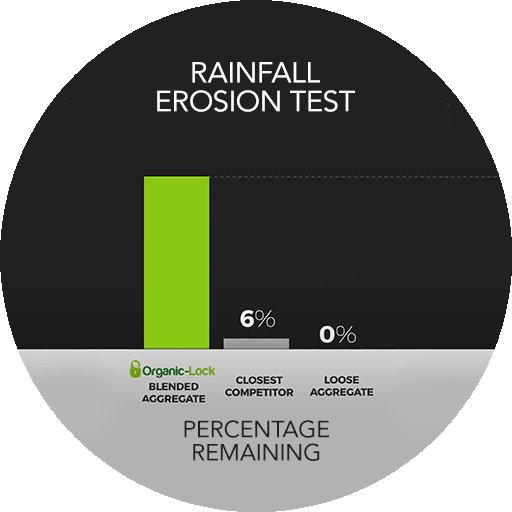
Whereas unstabilized aggregates are prone to washouts and weed growth, Organic-Lock™ blended aggregates offer significantly improved stability, resistance to erosion, and weed growth deterrence all while maintaining water permeability.
Better than other stabilized aggregates
While there are other natural binders on the market that contain “plant glue”, they are susceptible to rapid biodegradation. Organic-Lock™ contains key patented natural additives specifically designed to increase gelling strength and extend longevity.
Better than asphalt and concrete
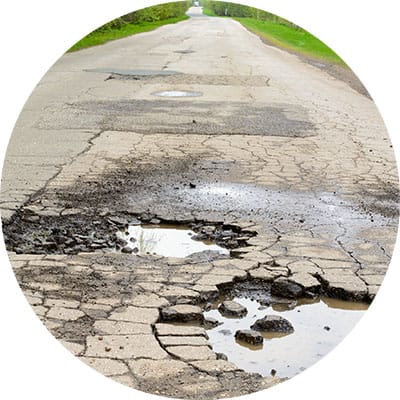
Asphalt and concrete lack permeability. Because they are monolithic in structure, they're prone to cracking through ground movement. Petrochemicals from asphalt and concrete are also prone to leaching into the surrounding environment. Organic-Lock™ Stabilized Aggregate surfacing is sustainable, water permeable, and because it is a granular surface, it doesn't crack.
SIMPLE MAINTENANCE
Over a decade of research including 4 separate research grants with Federal research facility at Agriculture and Agrifood Canada, has created the strongest Organic Aggregate Binder on the market today.
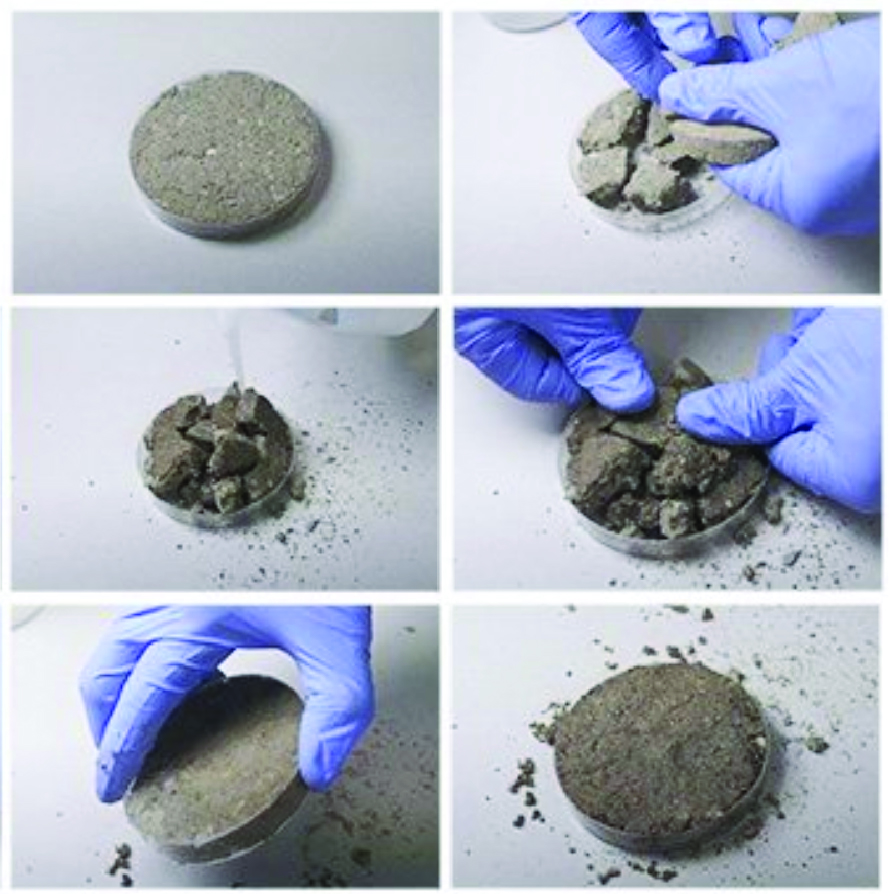
The Organic-Lock™ gel activates each time it comes in contact with water, which allows for the blended aggregate to be physically broken up, re-worked and returned back to its initial state. This self-healing nature allows for a simplified maintenance procedure that leaves no sign of the maintenance itself. For example: If you have to run an irrigation line below your finished pathway, all you need to do is add water, dig the material up, put down your irrigation line, spread the material back in place, then water and compact it back to new.