


English


ABOUT ORGANIC-LOCK
DESIGN, INSTALLATION & MAINTENANCE
ADDITIONAL RESOURCES
PRODUCT SPECIFICATIONS
PROJECTS
WHERE TO PURCHASE
CONTACT US
DEALER LOGIN
Block Quote


This project was built on the traditional territory of the Māori people indigenous to Aotearoa. It is situated on sacred ground that holds deep historical, cultural, and spiritual significance for the local iwi (tribes). It aims to honor the rich heritage of the Tūpuna Maunga (ancestral mountains) and the enduring connection between the Māori community and these sacred landscapes. We are grateful to have the opportunity to work on this land.
Māngere Mountain, a dormant volcanic cone in New Zealand’s Auckland volcanic field, is not just a natural landmark but also an ancestral site of great significance to the local indigenous Māori community. Māngere Mountain is one of 14 maunga (volcanic cones) given back to the Māori community as part of a 2014 treaty settlement that resulted in the creation of the Tūpuna Maunga Authority, a co-governance entity with representatives from local indigenous tribes and the local council. This body was responsible for preparing integrated management plans to guide the development and preservation of these significant landscapes.
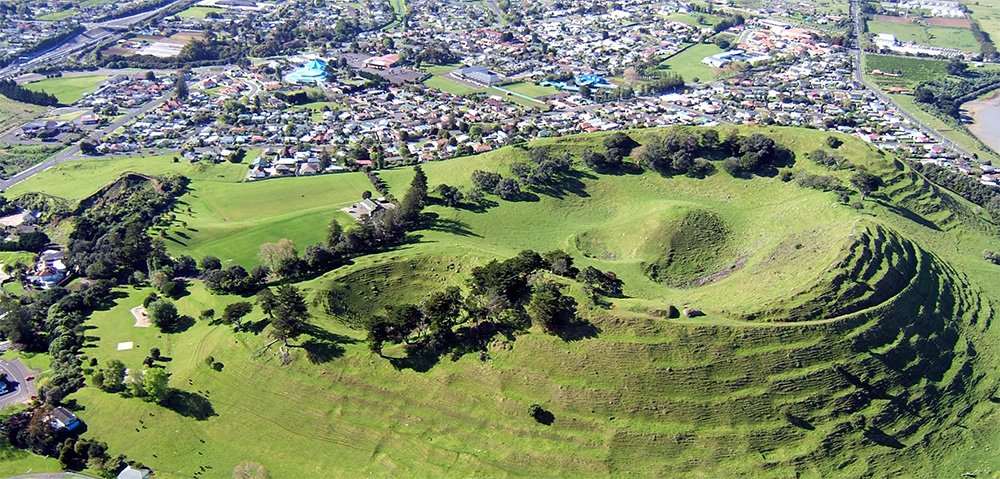
The Whānau Ātea project on Māngere Mountain (also called Te Pane o Mataoho or Te Ara Pueru) was initiated by the Tūpuna Maunga Authority was one of the first projects to emerge from these plans, aiming to reconnect the community with their ancestral lands. This restoration project, led by landscape architects at Boffa Miskell, focused on creating a space that honors the cultural heritage and ecological significance of the site while providing a welcoming environment for visitors. This effort involved developing a recreational space that seamlessly integrates with the natural landscape, ensuring minimal disruption to the maunga.
Cultural and Historical Integration
The primary landscape design objective was to honor the cultural and historical significance of Māngere Mountain. In Māori culture, mountains are considered ancestors and treated with a high level of reverence and respect. With this in mind, Boffa Miskell aimed to create an experience of place that respects the site’s heritage and enhances its cultural narrative.
“IT WAS ABOUT RECONNECTING THE COMMUNITY WITH THEIR TŪPUNA MAUNGA, THEIR ANCESTRAL MOUNTAIN. INVITING THEM BACK, MAKING THEM WELCOME, ENCOURAGING THEM TO STAY, TO PLAY, AND TO ENJOY THE SPACE AS A WIDER FAMILY IN AN INTERGENERATIONAL SPACE; AND THEN TO GO ON AND EXPLORE THE MOUNTAIN AS WELL, AND TO REALLY CONNECT WITH IT AS A PIECE OF THEIR LANDSCAPE AND A PLACE TO BELONG.”
– Aynsley Cisaria, Principal & Landscape Architect, Boffa Miskell
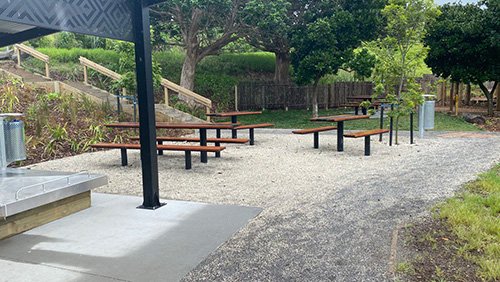
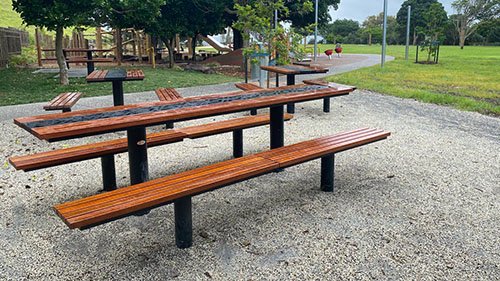
Per Boffa Miskell, the design includes spaces to enable education and play with contemporary elements integrated into the traditional Māori style.
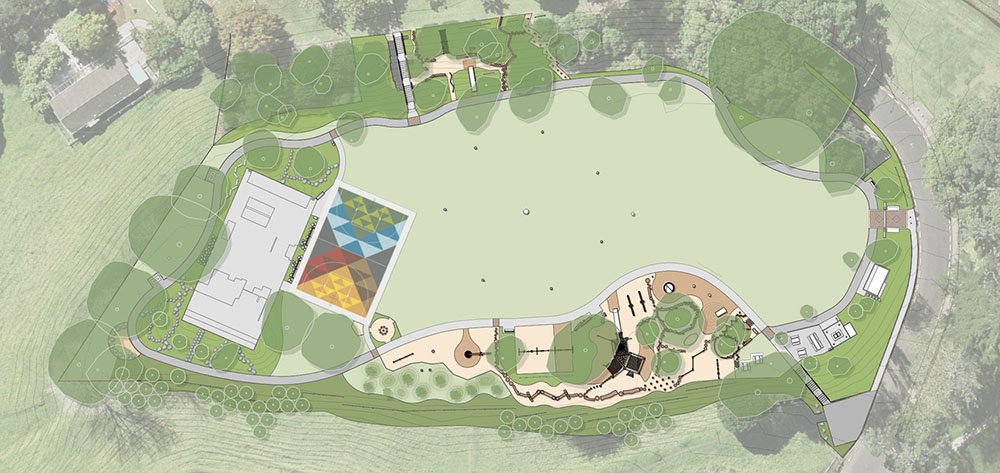
Light Touch Landscape Design
Because of the ancestral and ecologically sensitive nature of the site, the philosophical and aesthetic design approach taken was to minimize the impact of the built environment on the natural landscape while ensuring functionality and accessibility.
“ON THESE MAUNGA (MOUNTAINS) THERE ARE VARIOUS OVERLAYS – HISTORICAL OVERLAYS, CULTURAL OVERLAYS, ARCHAEOLOGICAL OVERLAYS – THERE WERE A LOT OF LOT OF THINGS WE HAD TO CONSIDER IN TERMS OF THE MATERIALITY AND HOW TO CREATE A LIGHT TOUCH ON THE LANDSCAPE THROUGH DESIGN.”
– William Hatton, Senior Professional and Landscape Architect, Boffa Miskell
In practice, light-touch landscape interventions can take many forms to establish synergy between natural and built environments. Every design and construction choice can affect the surrounding natural, hydrological, ecological, and cultural environments, often causing incalculable or unforeseen effects on these other realms. Touching lightly on the land whenever possible can minimise the negative impacts of interventions in the landscape.
Resilience Against Natural Elements
Given the site’s exposure to harsh weather conditions, including high winds and heavy rainfall, the designed landscape needed to be resilient. Located close to Manukau Harbour, the site also experiences salt spray carried on high winds. Design elements needed to be resilient to these conditions while still respecting the ancestral nature of the site.
At Māngere Mountain, material selection played a critical role in achieving light-touch landscape design, as evidenced by the following design choices.
“WE WERE CHALLENGED ON THIS PROJECT TO USE THE LEAST AMOUNT OF CONCRETE POSSIBLE. IT’S QUITE HARD WHEN WORKING ON A BIG PARK SPACE FOR LOTS OF PEOPLE, BUT ESSENTIAL FOR RESPECTING THE ANCESTORS AND THE LANDSCAPE. IT WAS ABOUT MANAGING THE PERMEABLE FLOW OF WATER, RESTORING THE BIODIVERSITY, AND REESTABLISHING THE WHOLE ECOSYSTEM.”
– Aynsley Cisaria, Principal & Landscape Architect, Boffa Miskell
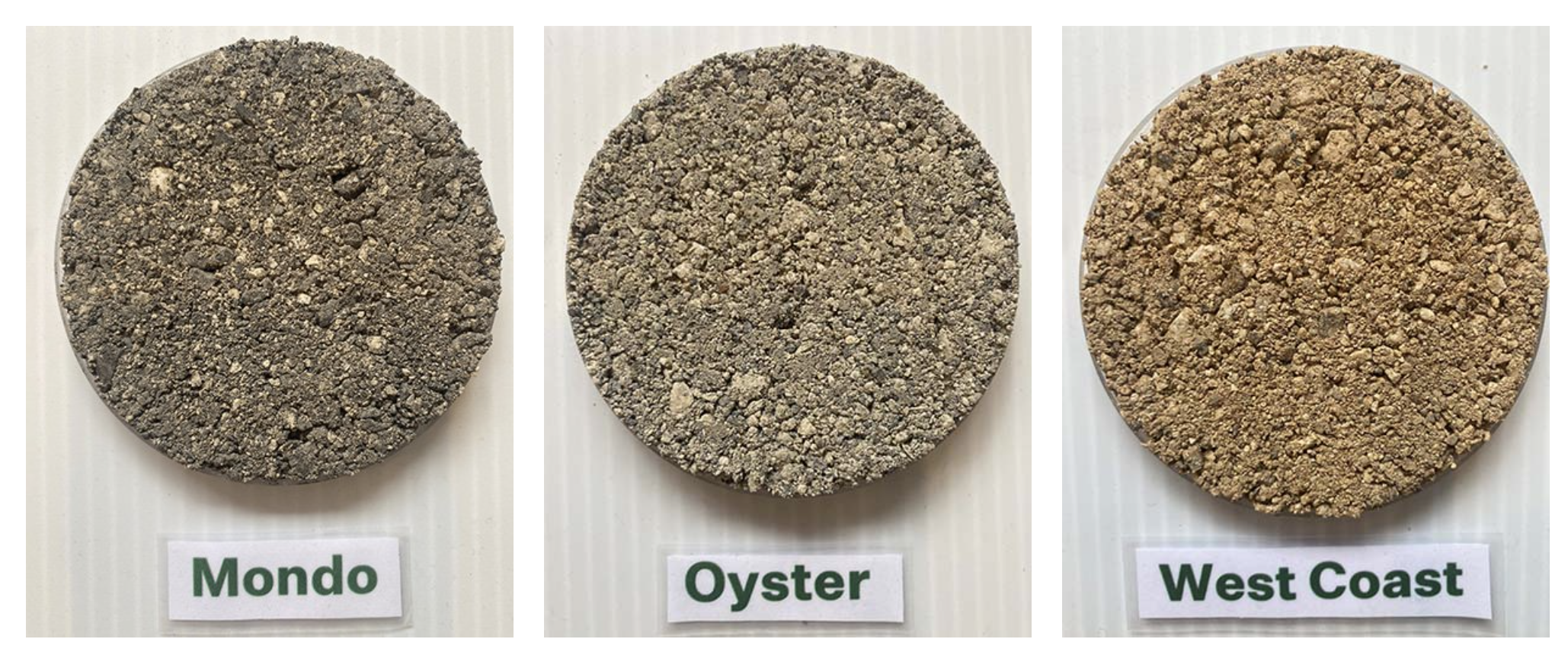
Surfacing material selection was closely aligned with the aforementioned goals through an intensive research, development, and testing process undertaken by the designers. Organic-Lock Stabilized Aggregate (OLSA) was chosen specifically for pathway surfacing for its enhanced durability combined with ability to be integrated visually into the natural landscape.
“WE NEEDED MATERIALS THAT WERE SUSTAINABLE, DURABLE, AND FUNCTIONED WELL IN THIS SPECIFIC ENVIRONMENT. BEING ABLE TO SELECT DIFFERENT COLOURS WAS REALLY HELPFUL TO MATCH TO THE LANDSCAPE.”
– Aynsley Cisaria, Principal & Landscape Architect, Boffa Miskell
OLSA combines a specific aggregate with a patented plant-based binder, creating a durable and permeable surface ideal for pathways in natural settings.
New Zealand based OLSA dealer ScapeSpec collaborated with Boffa Miskell’s design team to better understand the objectives of this specific project, especially concerning the aesthetic and functional aspects of pathways. Through this collaboration, ScapeSpec could offer valuable technical support, particularly in terms of OLSA product capabilities, color options, and the installation process. This kind of early engagement ensured that both the design vision and technical requirements aligned smoothly for successful project execution. Scapespec supplied approximately 65 metric tons (72 short tons) of OLSA in three custom-matched colours to cover 510m2 (5500ft2) of pathways at Mangere Mountain.
Major restoration work on the site began in 2019, when non-native trees were removed from the maunga. Beginning in 2021, a large scale native vegetation planting and track upgrade project was undertaken on Māngere Mountain, including the construction of specialised habitat for native species and community recreational spaces.
Education and Training
The stabilized aggregate installation process involved close collaboration between Boffa Miskell, ScapeSpec, and the installing contractor for all hardscape, softscape, and playground elements, HEB Construction. ScapeSpec provided on-site support including training sessions to familiarize the construction team with Organic-Lock Stabilized Aggregate, ensuring proper handling and installation. As this was a new material to both the design and construction team, these training sessions were critical.
“A BIG PART OF THE SUCCESS OF THIS PROJECT WAS EDUCATION – SCAPESPEC WAS ON SITE TO GIVE AN OVERVIEW AND WE ASKED OF QUESTIONS ALONG THE WAY. IN THE END WE GOT A GOOD IDEA OF HOW IT WORKS. IT’S LIKE MOST MATERIALS; ONCE YOU USE IT, YOU GET AN UNDERSTANDING OF THE WORKABILITY.”
– Tyler Boden-McMullin, Supervisor, HEB Construction
Site Exposure and Weather Conditions
In the three months leading up to the installation of the OLSA, there had been less than ten days with no rain at all. This presented a significant challenge for the construction team – OLSA cannot be installed in the rain because the material will become overhydrated, limiting compatibility and compromising the resulting installation.
“THE FACT THAT OLSA IS PRE-BLENDED AND HYDRATED OFF-SITE AND DELIVERED EACH DAY HELPED MANAGE INSTALLATION AROUND WEATHER CONDITIONS. WE HAD PRE-PLANNED HOW MUCH WE NEEDED AND HOW MUCH WAS COMING IN. WE USED TRACK MATS AND TARPS TO PROTECT THE GROUND AND STAGE MATERIAL TO AVOID LOSING PRODUCT. WE NEVER LAID THE PRODUCT IN THE RAIN.”
– Tyler Boden-McMullin, Supervisor, HEB Construction
Pathway Edge Stabilization
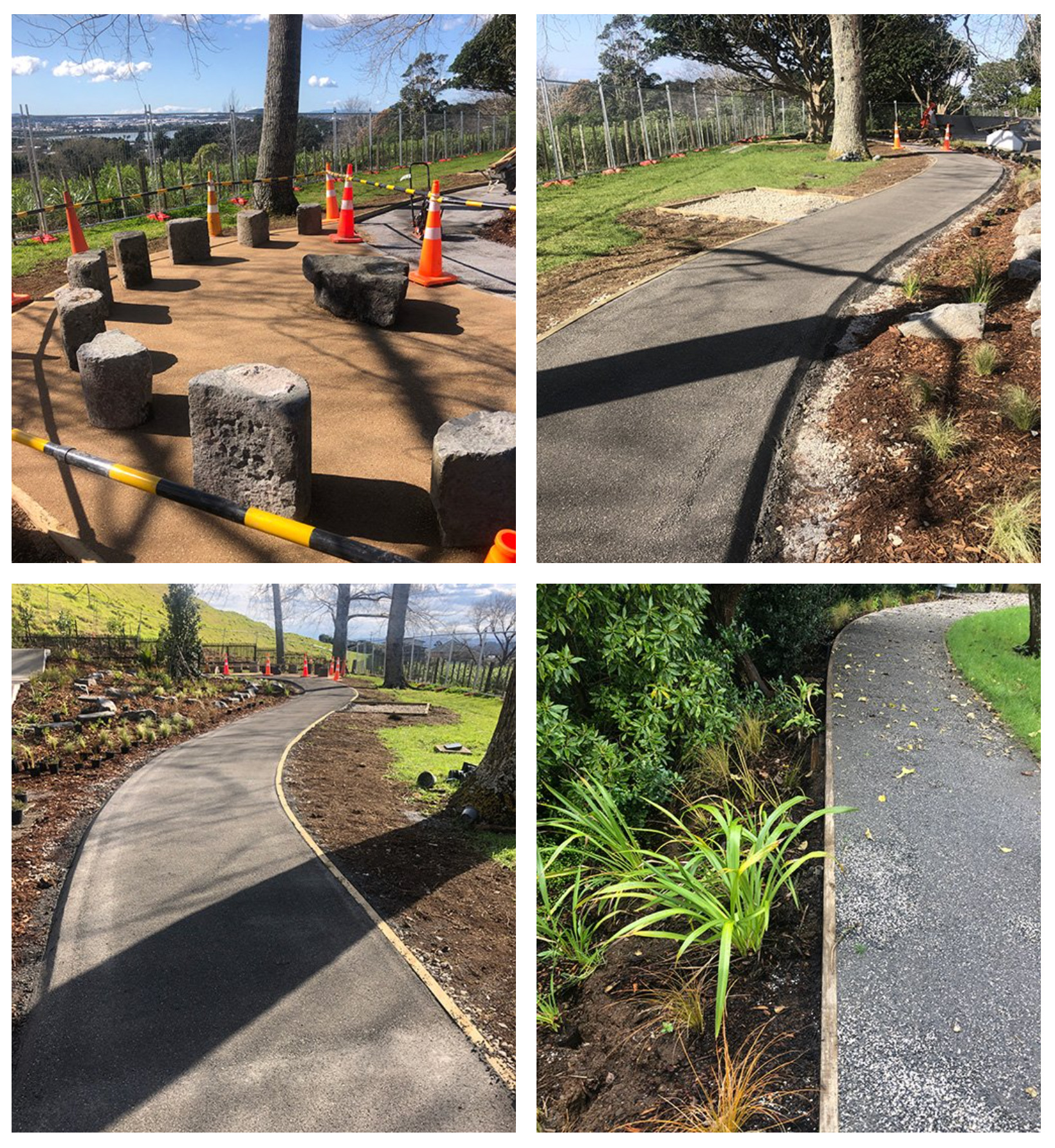
Edge stabilization was a critical aspect of the OLSA pathways installation. Originally, the edge type specified was a tapered/natural edge. On site, the design and construction team assessed the suitability of this edge design and collaboratively decided to make a change. Instead of a tapered edge, the HEB Construction developed and built an edge system made of timber with steel stakes to provide additional structural support and maintain the integrity of the pathways. The timber edging was carefully installed to follow the natural curves of the landscape.
This decision proved vital during a significant storm not long after the installation, where the pathways withstood severe weather conditions without significant damage. “If it hadn’t been edged, the pathway would have gone down the mountain,” remarked Aynsley Cisaria at Boffa Miskell. “The contractors did a fantastic job. It all held together and we didn’t lose material, it didn’t need to be recompacted or graded – it was really impressive.”
Tyler Boden‑McMullin, Supervisor on the project for HEB Construction, recalled of the same event: “we advised against a rolled edge because we couldn’t see it holding. When floods came in, some areas of mulch and top soil washed out but the timber edge held in place. There has been less than 5mm of pathway surface drop since placement. I imagine if we had had a rolled edge, we would probably be redoing the foot path.”
The Māngere Mountain landscape project faced several notable challenges, each requiring customized solutions to align with the design philosophy and project goals.
Cultural and Historical Sensitivity: The project site carries deep cultural and historical significance to the indigenous Māori people. A light-touch philosophical design approach taken was to minimize the impact on the natural landscape.
Lack of Design Precedence : Being one of the first projects of its kind and scale included the integrated management plans developed by the Tūpuna Maunga Authority for the development and preservation of Māori landscapes, there was no example to look to for design best practices. The design team underwent an extensive research, development, and testing process to select materials for the project, including surface materials.
“ORGANIC-LOCK [STABILIZED AGGREGATE] CAPTURED A LOT OF WHAT THE TŪPUNA MAUNGA AUTHORITY WANTED TO ACHIEVE IN TERMS OF BEING SUSTAINABLE, HAVING THAT LIGHT TOUCH, AND BEING DURABLE BUT ALSO LOOKING OF-PLACE.”
– William Hatton, Senior Professional and Landscape Architect, Boffa Miskell
Site Exposure to Natural Elements: The location of this site presented a challenge for design and construction teams. The design had to factor in exposure to high winds, heavy rainfall, and sea salt spray. The construction team had to carefully schedule and stage installation to around adverse weather events. The design and construction teams collaborated on site to create and implement a custom edging solution to provide additional support in the face of adverse weather conditions.
The Māngere Mountain project successfully created a space that honors the ancestral maunga while providing a sustainable and resilient recreational area. This project underscores the importance of using innovative landscape design solutions and sustainable materials for light-touch design, particularly in culturally and environmentally sensitive areas.
Boffa Miskell and Tūpuna Maunga Authority were jointly awarded the 2023 Te Tohu – Whaiao Māori (Māori Outcomes Award) for their work on the Māngere Mountain landscape project. This award recognises a program or organisation making significant effort to support and engage with Māori communities within outdoor recreation in Aotearoa. Read more here.
Click here to view a drone video of the project, courtesy of Boffa Miskell.
.jpg)
Further Reading
The New Zealand Herald – Reimagining what a Papa Tākaro looks like in the 21st century Aotearoa
Contributors
Boffa Miskell https://www.boffamiskell.co.nz/projects/whanau-atea-mara-hupara
ScapeSpec https://www.scapespec.co.nz
Organic-Lock – www.organic-lock.com