


English


ABOUT ORGANIC-LOCK
DESIGN, INSTALLATION & MAINTENANCE
ADDITIONAL RESOURCES
PRODUCT SPECIFICATIONS
PROJECTS
WHERE TO PURCHASE
CONTACT US
DEALER LOGIN
Block Quote


Robert A. Borski, Jr. Park (Borski Park) is a 10-acre public green space located on a historically industrial waterfront in the Bridesburg neighborhood of Philadelphia. It is part of an 11-mile greenway envisioned by the Riverfront North Partnership and Philadelphia Parks & Recreation, aiming to transform underutilized industrial land into ecologically rich and publicly accessible waterfront.
Designed by Ground Reconsidered, a Philadelphia-based landscape architecture firm, in partnership with LANGAN and SITIO architecture + urbanism, the project integrates green infrastructure, stormwater management, and environmental restoration into public park design.
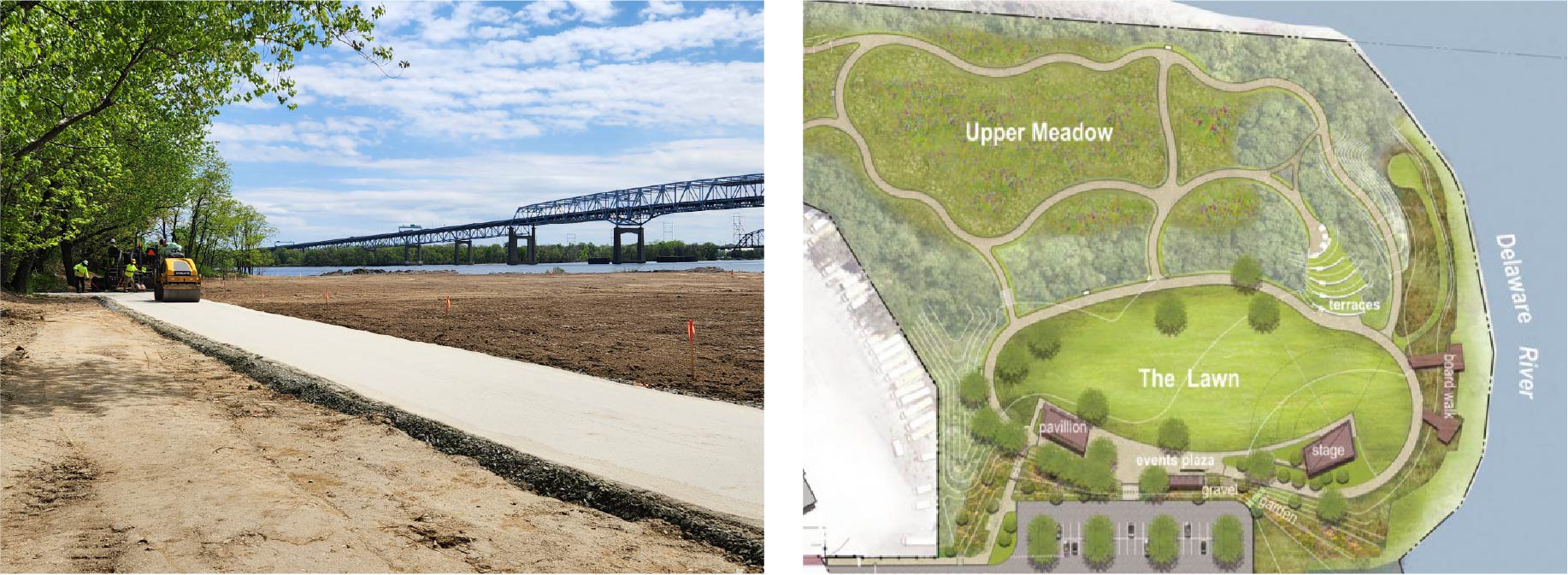
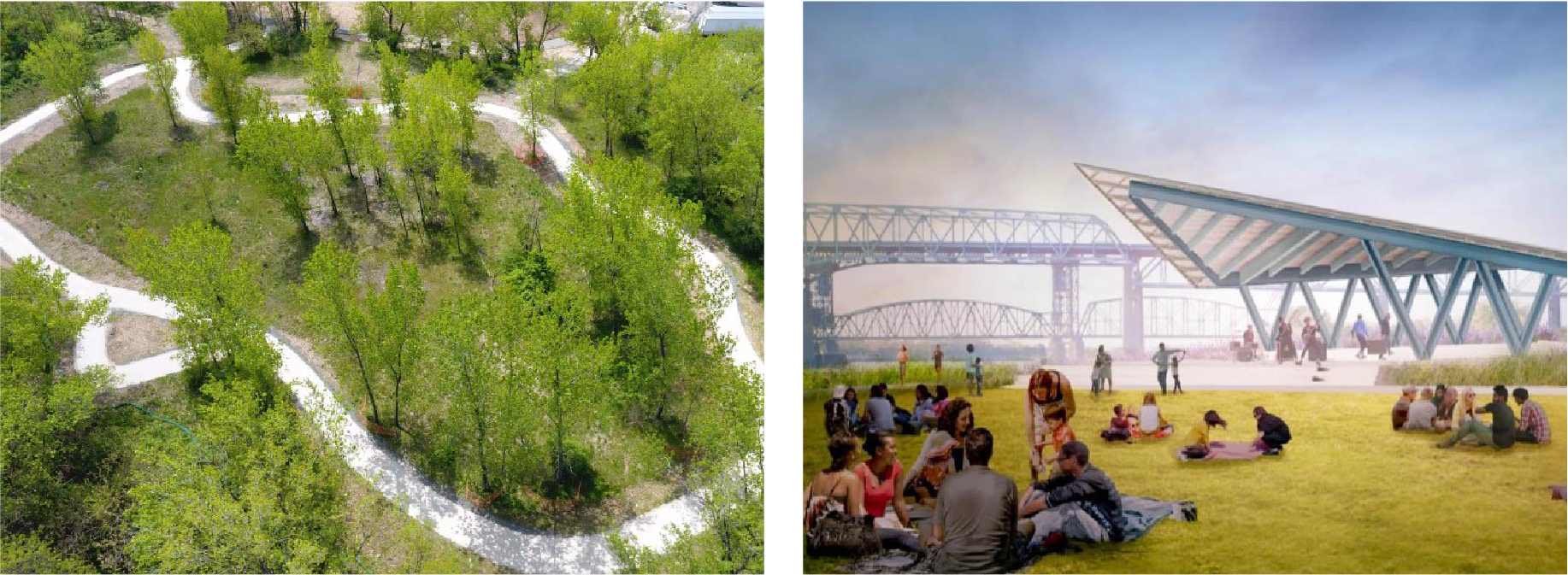
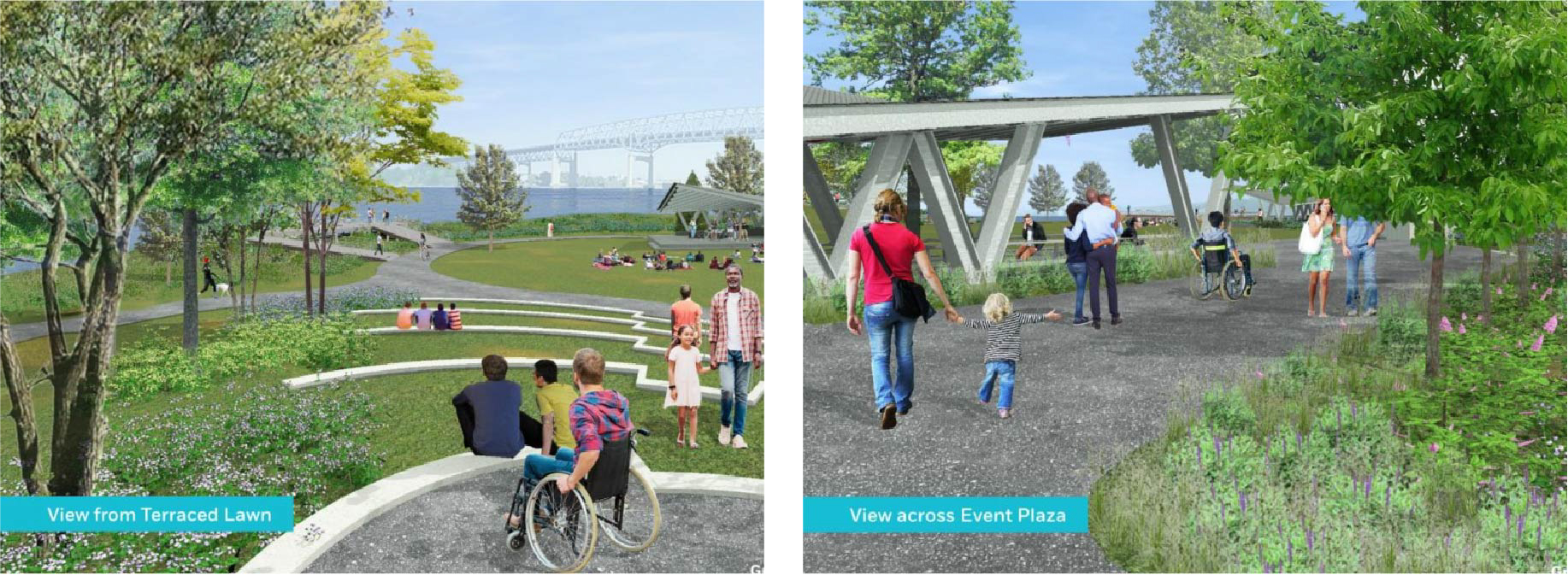
Phase 1 of the project includes site work, environmental remediation, parking, pathways, landscaping, utilities, and a restroom facility. Construction began in October 2023, with an official groundbreaking on October 3, 2023, and anticipated opening to the public in July 2025. Future phases will add a stage pavilion, picnic pavilion, terraced lawn seating, a boardwalk with river views, and additional planting as funding is secured.
Borski Park was designed by Ground Reconsidered to prioritize green infrastructure. The project aims to not only improve the aesthetic and functional aspects of the waterfront but also contribute positively to the local environment by reducing stormwater runoff, supporting native wildlife, and transforming the industrial area into park space.
“THIS PARK WAS ORIGINALLY PART OF A FEASIBILITY STUDY AND MASTER PLAN FOR THE RIVERFRONT NORTH PARTNERSHIP IN COLLABORATION WITH PHILADELPHIA PARKS AND RECREATION. THE MASTER PLAN HAS BEEN IN THE WORKS FOR DECADES AND IS AIMED AT CREATING A TRAIL SYSTEM AND RECLAIMING THE WATERFRONT FROM INDUSTRIAL USE.”
- Brad Thornton, Ground Reconsidered
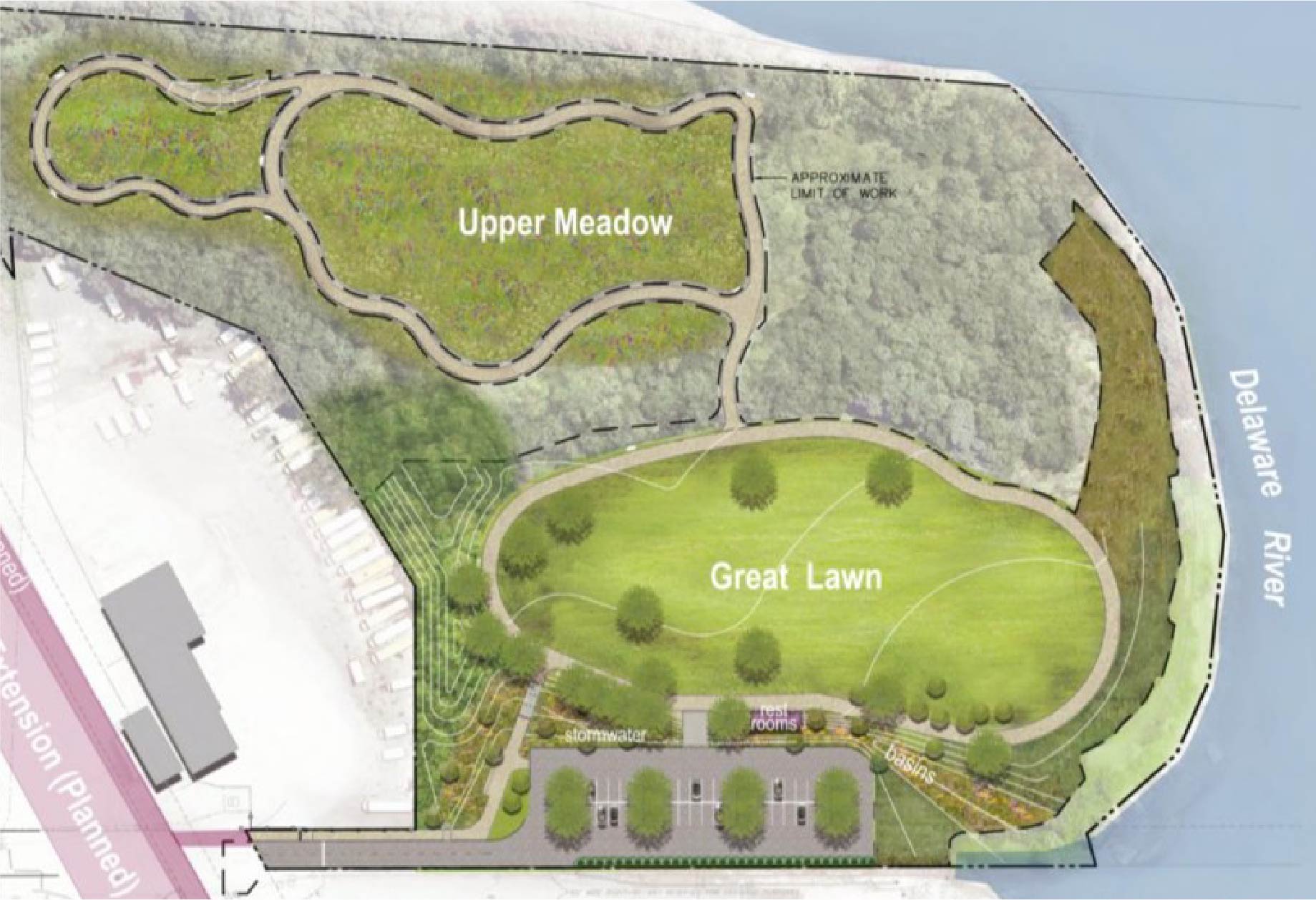
Reclaiming former industrial space necessitated addressing site contamination.
“THE WHOLE SITE WAS CONTAMINATED TO VARYING DEGREES. ON THE LOWER PORTION OF THE SITE, ISOLATED EXCAVATION OF CONTAMINATED MATERIAL WAS REQUIRED, AND SOME WAS EVEN REUSED. FOR EXAMPLE, THE EXISTING ASPHALT SLAB WAS LEFT IN PLACE AND PUNCTURED FOR DRAINAGE, WITH NEW SOIL PLACED ON TOP. THE UPPER PORTION OF THE PARK IS A FORMER LANDFILL SITE WITH DEMOLITION DEBRIS. RIVERFRONT NORTH IS WORKING TO CREATE A NATIVE MEADOW IN THIS AREA.”
- Brad Thornton, Ground Reconsidered
The design team implemented strategies such as capping existing materials and introducing engineered soils to facilitate drainage and support vegetation. This approach allowed for the transformation of the site from an industrial yard to functional greenspace.
Rather than conceal the site’s industrial legacy, the design embraces its unique features. Historical elements have been integrated into the park’s design, offering visitors a tangible connection to the waterfront’s past.
“ORIGINALLY, BORSKI PARK WAS THE SITE OF AN ASPHALT AND CONCRETE PLANT. SHAPED BY CONCRETE TRUCK WASHOUT OVER THE YEARS, THE SHORELINE HAS A LAVA-LIKE LOOK. A BOARDWALK IS ENVISIONED TO FLOAT OVER THIS UNIQUE SHORELINE PROVIDING SAFE, UNIVERSAL ACCESS TO EXPERIENCE IT AS WELL AS THE EXPANSIVE VIEWS OF THE DELAWARE RIVER AND BETSY ROSS BRIDGE.”
- Brad Thornton, Ground Reconsidered
Green infrastructure refers to a collection of practices and designs that use natural processes to manage water and create healthier urban environments. Unlike traditional “gray” infrastructure, which refers to structures such as dams, seawalls, roads, pipes, or water treatment plants, green infrastructure utilizes natural systems like forests, floodplains, wetlands, and soils to handle water on site while providing additional user benefits. Green infrastructure is increasingly recognized as an essential component of sustainable urban planning, helping cities adapt to climate change impacts while improving public health and well-being.
The design of Borski Park incorporates green infrastructure to comply with Philadelphia’s stormwater management regulations. By minimizing impervious surfaces and incorporating natural stormwater infiltration systems, the park aims to reduce runoff and mitigate combined sewer overflow events — a critical environmental concern in legacy urban infrastructure.
In speaking with Ground Reconsidered about surfacing material selection for the pathways, Brad Thornton elaborated on the importance of managing runoff at Borski Park.
“ORGANIC-LOCK STABILIZED AGGREGATE WAS SELECTED IN DIRECT CORRELATION TO PHILADELPHIA STORMWATER MANAGEMENT REGULATIONS. IT’S MANDATED AT THE EPA [ENVIRONMENTAL PROTECTION AGENCY] LEVEL THAT OLDER CITIES WITH COMBINED SEWER OVERFLOWS MANAGE DISCHARGE INTO RIVERS. THE WAY PHILADELPHIA IS DOING THIS WITH AN EMPHASIS ON GREEN INFRASTRUCTURE, REDUCING INVESTMENT INTO GREY INFRASTRUCTURE UPGRADES, SO THAT IN STORM EVENTS WE’RE NOT HAVING TO BYPASS SYSTEMS INTO THE RIVER.”
- Brad Thornton, Ground Reconsidered
The first step in gaining approval to use Organic-Lock Stabilized Aggregate (OLSA) at Borski Park was securing a local supplier. Stancills worked closely with Ground Reconsidered to provide a locally-sourced aggregate meeting Organic-Lock specifications.
Step two was getting the Philadelphia Water Department to accept OLSA as a permeable surface. The Organic-Lock team submitted technical product information for this purpose.
“WE DESCRIBED [ORGANIC-LOCK STABILIZED AGGREGATE] AS A SPONGE THAT SOAKS UP STORMWATER AND RELEASES IT INTO THE SUB-BASE TO DEMONSTRATE THAT WE ARE CREATING A CONDITION THAT WAS MANAGING ITSELF. IT’S NOW CONSIDERED A POROUS SURFACE IN PHILADELPHIA — THIS WAS THE PROJECT THAT MADE THAT HAPPEN.”
- Brad Thornton, Ground Reconsidered
Maintenance requirements were also considered in the material selection process. “We needed a product that was easy to install, easy to repair and maintain,” said Thornton. “Porous asphalt was an option, but the Parks and Recreation Department had concerns about being able to maintain it.”
Organic-Lock Stabilized Aggregate (OLSA) not only meets functional and regulatory requirements but also fits the aesthetic requirements of the Borski Park project.
“ORGANIC-LOCK STABILIZED AGGREGATE CREATES A NICE CASUAL SURFACE FOR THE PARK, ENHANCING THE AESTHETIC AND EXPERIENTIAL ASPECT. THE MATERIAL MEETS THE TRIPLE BOTTOM LINE OF THIS PROJECT’S OBJECTIVES — AESTHETIC, PRACTICALLY PERFORMATIVE, AND MEETING STORMWATER MANAGEMENT GOALS.”
- Brad Thornton, Ground Reconsidered
Stancills’ American Beech Path Mix was selected for Borski Park’s pedestrian pathways. The aggregate is bound with Organic-Lock, a patented plant-based binder supplied by licensed dealers around the world who blend it with approved aggregates. This blended aggregate combination creates a durable surface that naturally enhances the longevity of pathways by resisting erosion and wear over time.
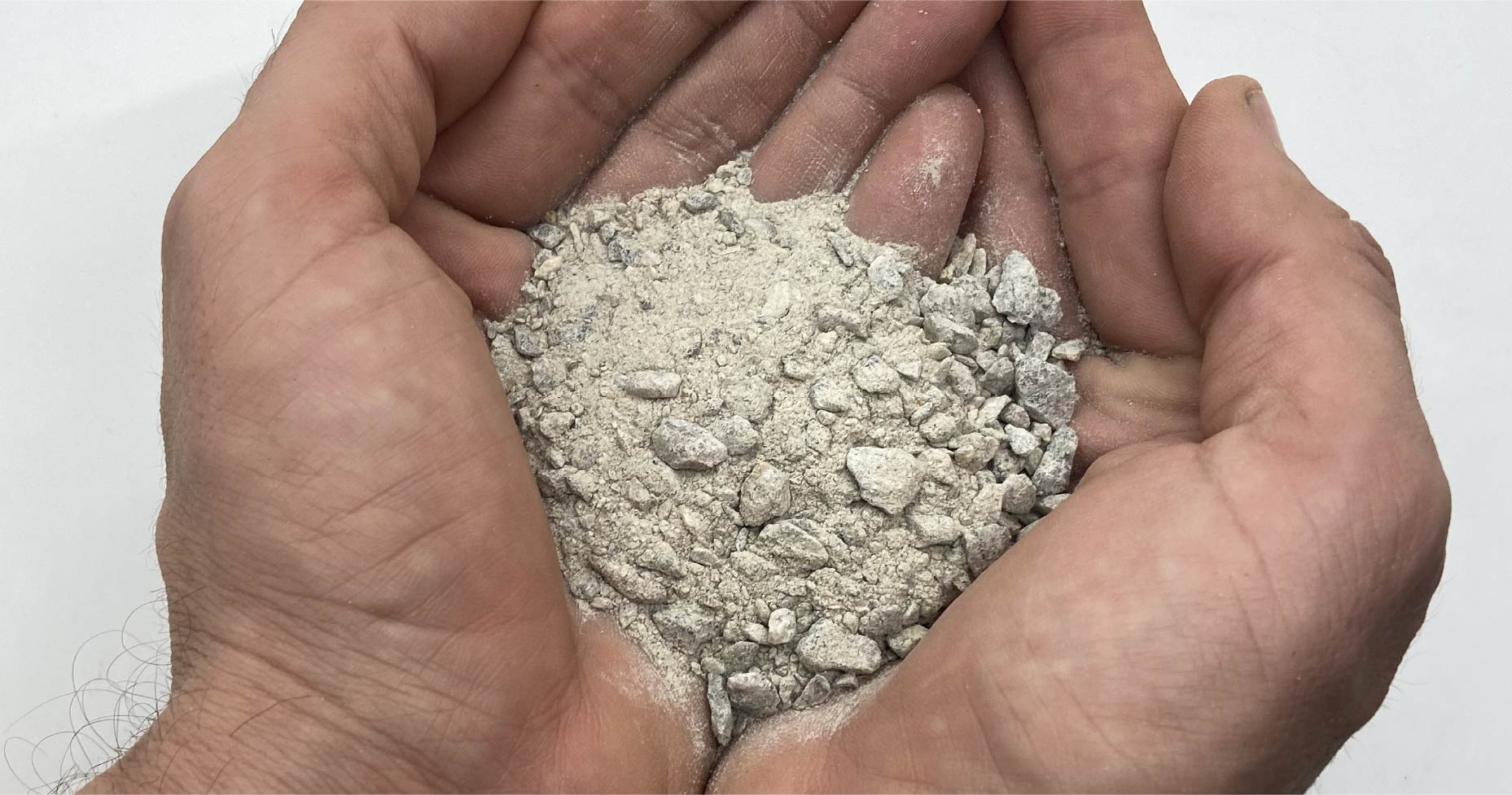
Stancills supplied approximately 450 tons of American Beech Path Mix for the pedestrian pathways at Borski Park.
The installation of Organic-Lock Stabilized Aggregate (OLSA) was a masterclass in efficiency. The compacted granular road base had been prepared in advance by the construction team. The OLSA arrived on site pre-blended, pre-hydrated to the correct level, and ready to install directly from Stancills, reducing on-site preparation time. The material was fed directly from a dump truck or front-end loader (depending on pathway section) into an asphalt paving machine, allowing for continuous, consistent placement at the desired depth.
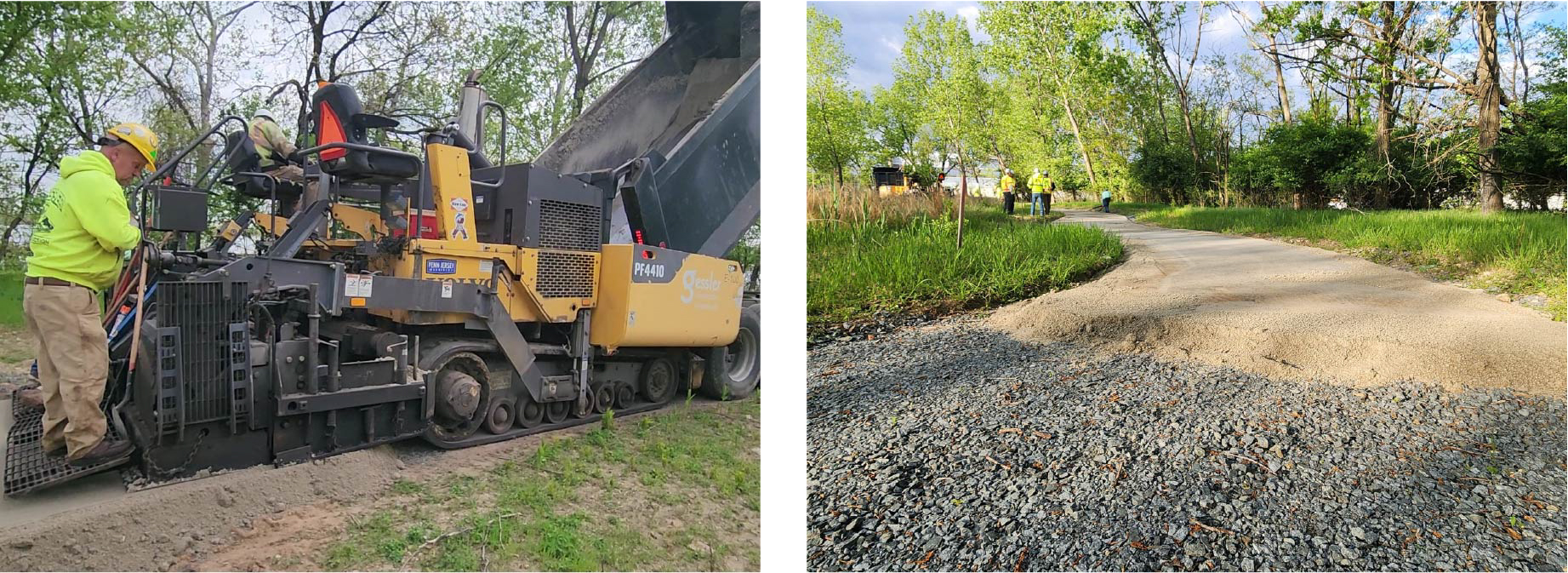
After OLSA spreading, a 3-ton static roller was used to compact the material. Hand tamping was used along the tapered edge of the OLSA material to ensure integrity, as these edges were left exposed to create a soft transition into the existing surrounding landscape.
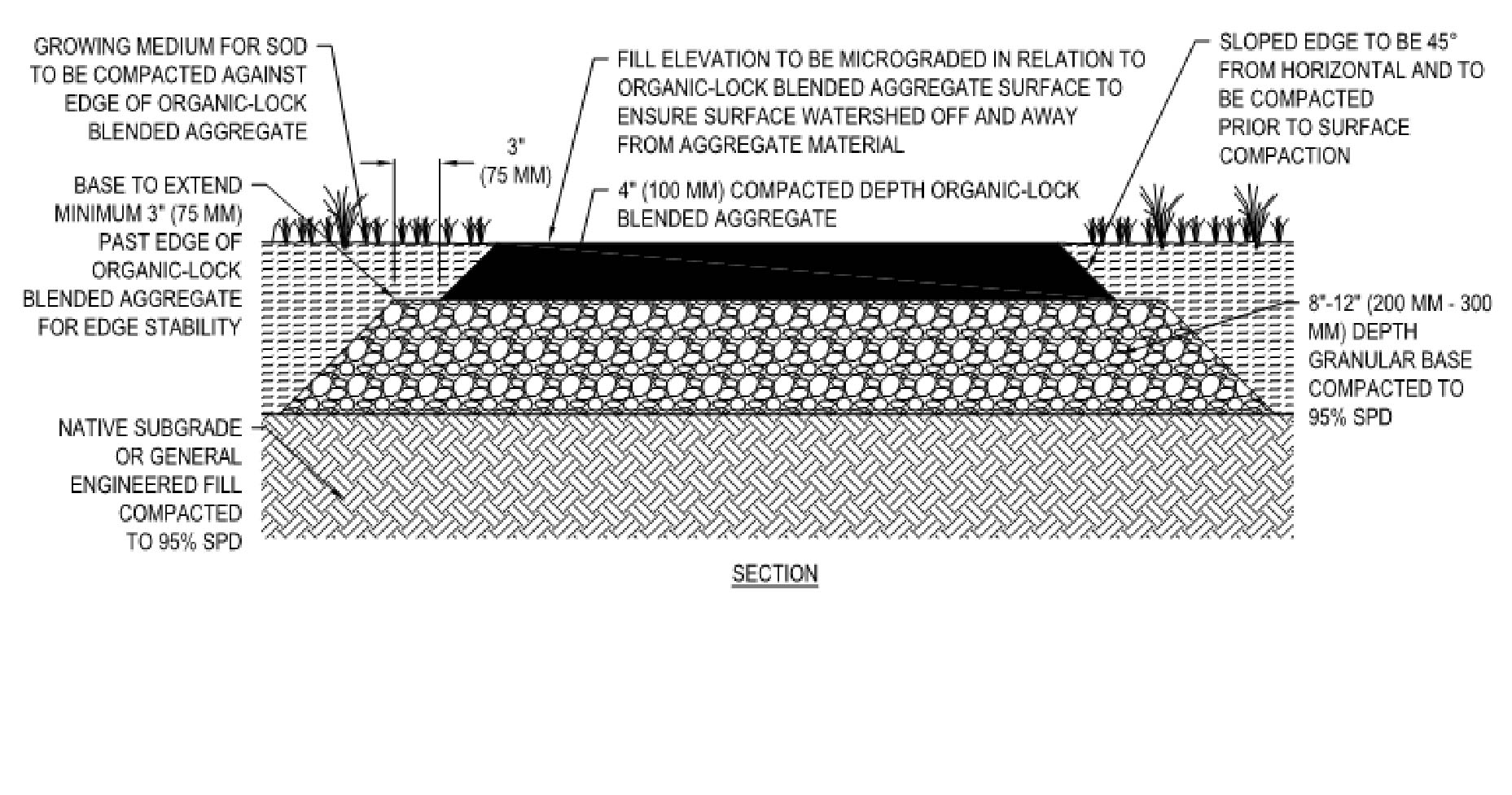
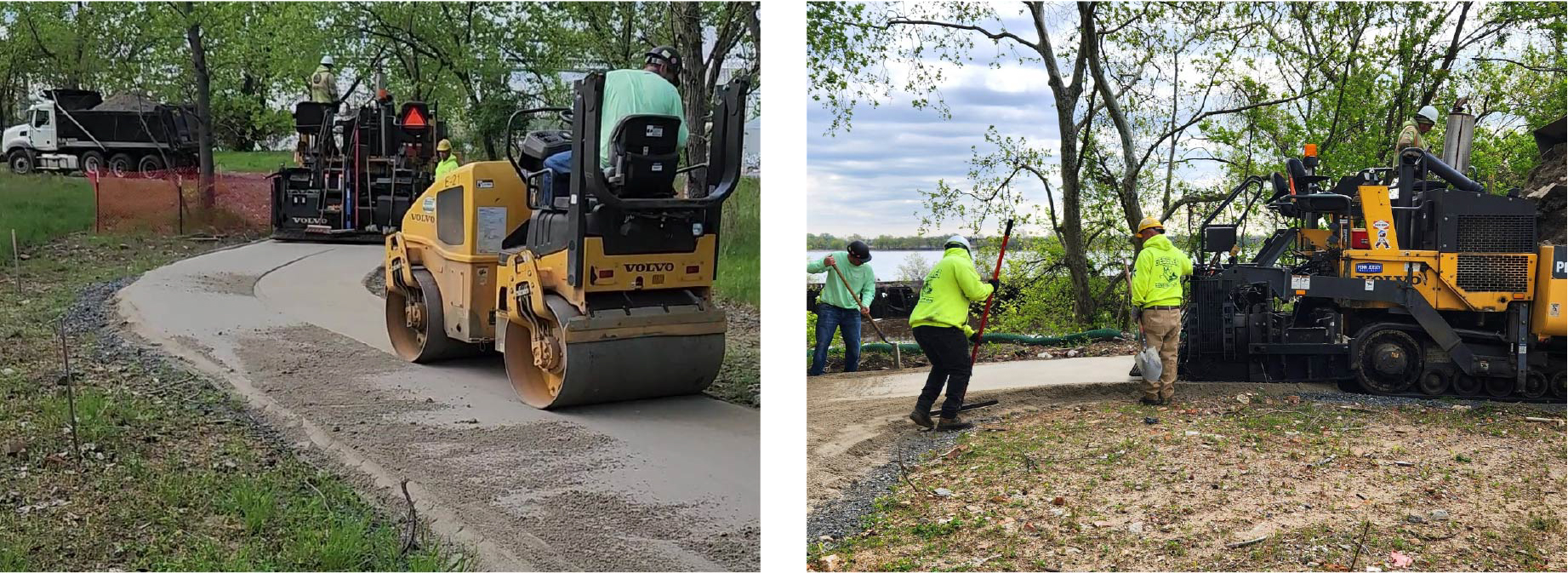
The construction team was able to install all 450 tons of OLSA in two days using this method — an impressive pace that highlights the installation efficiency of the paving machine method combined with a well-prepared product.
Stancills was on-site at the start of installation to verify that procedures aligned with best practices and to support the contractor with technical guidance.
“HAVING THE ABILITY TO DELIVER THE STABILIZED AGGREGATE PRE-BLENDED AND PRE-HYDRATED TAKES AWAY ANY GUESSWORK FOR THE CONTRACTOR; THE MATERIAL IS READY TO BE INSTALLED AS SOON AS IT ARRIVES ON SITE. ADD TO THAT THE USE OF A PAVING MACHINE TO SPREAD THE MATERIAL WITH COMPACTION FOLLOWING RIGHT BEHIND, AND THE CONTRACTOR WAS DIALED IN TO EFFICIENTLY DELIVER A HIGH-QUALITY INSTALLATION.”
- Chris Siciliano, Stancills
Transforming Borski Park from a contaminated industrial site into a resilient and ecologically vibrant public space was a multifaceted undertaking that involved environmental remediation, design innovation, and regulatory coordination.
1. Reclaiming Contaminated Land: Formerly home to a concrete and asphalt plant, the site bore the marks of decades of industrial use, including concrete washout areas and buried demolition debris. On the lower end of the site, hazardous materials required selective excavation, while in other areas, existing hard surfaces like asphalt slabs were retained as a cap and perforated to serve as sub-grade drainage beneath new soils. These adaptive strategies were essential for balancing remediation costs with environmental performance.
2. Integrating an Industrial Legacy: Another unique challenge was deciding how to incorporate the site’s industrial past into the park’s identity. The original concrete bulkhead line — visibly shaped by years of concrete truck washout — was preserved and highlighted. Rather than erasing history, the design sought to frame it, with an elevated boardwalk traversing this historic shoreline.
3. Navigating Philadelphia’s Stormwater Management Mandates: As part of the city’s broader mandate to reduce combined sewer overflows into the Delaware River, the park design prioritized green infrastructure to manage stormwater runoff from the parking lot and lawn. Getting Organic-Lock Stabilized Aggregate (OLSA) approved as a green infrastructure strategy required coordination between the design team, material suppliers, and the Philadelphia Water Department.
4. Managing Post-Installation Erosion: Shortly after construction completion, erosion developed along a key pathway connecting the park’s two loop trails. Rather than applying a quick surface repair, the project team took a diagnostic approach — tracing the issue back to localized grading and stormwater flow patterns. The contractor returned to site, adjusted the grading to redirect runoff, and reworked the existing OLSA surface through scarification and recompaction — all without adding new material. The issue was fully resolved, reinforcing the importance of thoughtful site water management and showcasing one of OLSA’s key advantages: its ability to be re-worked in place, providing a durable and low-maintenance solution.
The transformation of Borski Park represents a major achievement in urban regeneration, reclaiming a long-neglected industrial waterfront for community benefit. “There aren’t a lot of new parks in Philadelphia. This is a brand-new park filling a gap and providing a passive park to the neighborhood,” said Thornton.
Once a contaminated site dominated by asphalt, concrete, and demolition debris, the area is becoming a verdant green space that prioritizes ecological health and public access. The park supports native plantings, stormwater infiltration, and passive recreation, all while maintaining a connection to its industrial heritage.
For the Bridesburg neighborhood — long underserved in terms of green space — Borski Park offers more than just recreation. It restores community access to the Delaware River and provides a vital link in the larger 11-mile Riverfront North greenway.
Phase 1 of Borski Park is expected to open to the public in July 2025.
Ground Reconsidered – www.groundreconsidered.com
Langan – www.langan.com
SITIO architecture + urbanism – www.sitioau.com
Riverfront North Partnership – www.riverfrontnorth.org/bridesburg/
Stancills – https://stancills.com/
Organic Lock – www.organic-lock.com/