


English


ABOUT ORGANIC-LOCK
DESIGN, INSTALLATION & MAINTENANCE
ADDITIONAL RESOURCES
PRODUCT SPECIFICATIONS
PROJECTS
WHERE TO PURCHASE
CONTACT US
DEALER LOGIN
Block Quote


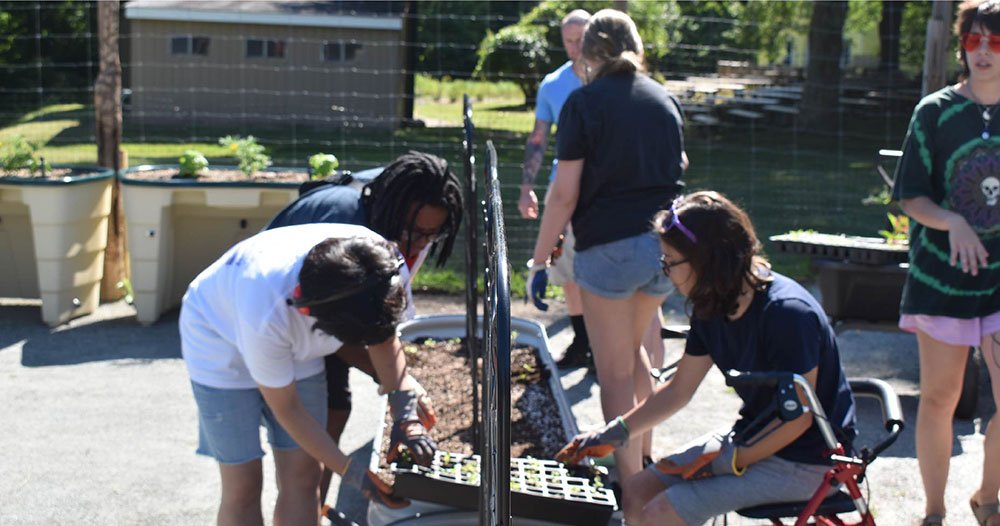
Lamoni’s Garden is nestled within the expansive 77-acre campus of Variety – the Children’s Charity of the Delaware Valley (Variety) in Worcester, PA. Designed and installed in-house by Variety, this 625-square-foot garden is more than just a horticultural space; it’s an outdoor classroom, an inclusivity-forward space, and a tribute to Lamoni, a former student and current Variety ambassador who inspired the project. Facing mobility challenges due to MS, Lamoni’s determination to participate independently in garden activities highlighted the need for a truly accessible environment.
This case study delves into the transformative design of Lamoni’s Garden, which extends beyond basic ADA compliance. It explores how thoughtful landscape architecture can create environments that are adaptive, inclusive, and deeply responsive to the diverse needs of individuals with disabilities.
From the outset, the project’s success depended on its ability to provide accessibility, functionality, and durability. The Variety team had learned firsthand from their experiences with Variety students that true accessibility goes beyond technical compliance; it must anticipate and support the real-world experiences of the people using the space.
The primary goal of Lamoni’s Garden was to create an environment where participants with mobility challenges could navigate with ease, work independently, and engage fully in vocational training. Achieving this goal required thoughtful design solutions that eliminated barriers.
One of the first challenges the team identified was the need for a stable, level surface that would support wheelchairs, walkers, and other mobility aids. Previous garden spaces at Variety featured wood chip and compacted grit pathways, which at times became uneven, unstable, or difficult to traverse.
“WE WANTED A GARDEN SPACE WHERE PARTICIPANTS WITH MOBILITY CHALLENGES COULD NAVIGATE SAFELY AND WITH EASE ON A CONSISTENT SURFACE MATERIAL, WHERE THE GROWING SPACE IS WITHIN THEIR REACH. OUR BIGGEST CONCERN WAS THE SURFACE. WE NEEDED SOMETHING THAT WOULDN’T CREATE RUTS OR PUDDLES, SOMETHING WITH GOOD DRAINAGE, FIRM, AND LEVEL.”
– Emily Gulick, Greenhouse Coordinator and Lead Designer
Ensuring ample space for movement and interaction was another top priority. The layout of Lamoni’s Garden was designed with a four-foot-wide clearance between raised garden beds, a critical detail that allowed users to turn and reposition their wheelchairs without restriction, to approach garden beds from multiple angles, and to navigate safely alongside other participants. A grid layout was implemented to provide clear sight lines and intuitive wayfinding for users.
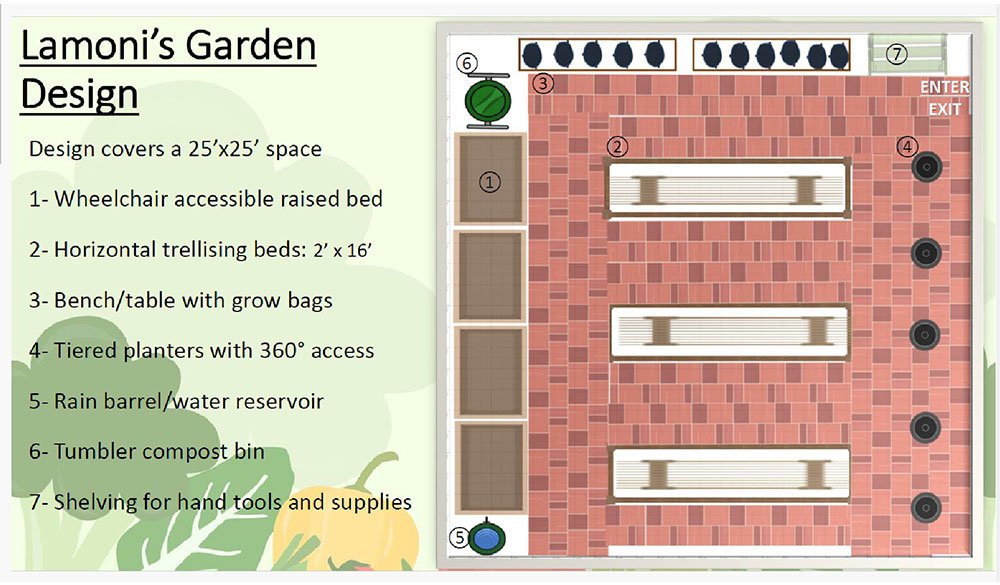
The placement of garden beds also had to account for varied physical needs. Some users required elevated planters, while others needed lower beds that allowed them to sit or kneel comfortably while working. To address this, the team incorporated a range of bed heights and flexible growing systems.
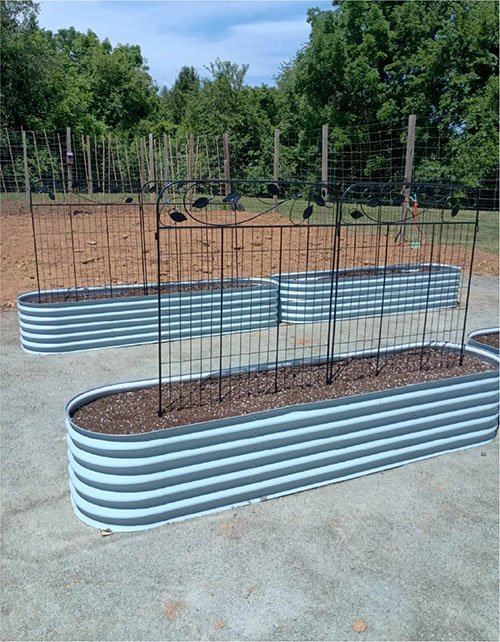
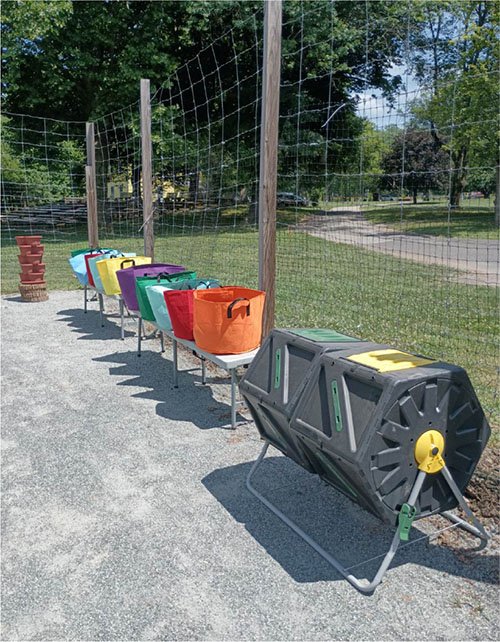
Modular, movable grow bags and benches offer flexibility within the space, allowing the garden layout to adapt to the specific needs of participants. A key innovation was the horizontal trellising system.
“INSTEAD OF TRELLISING VERTICALLY, WE RUN OUR PLANTS HORIZONTALLY ALONG A FRAME POSITIONED AT AN ACCESSIBLE HEIGHT. THIS ALLOWS PARTICIPANTS TO WORK AT THEIR OWN LEVEL WITHOUT STRUGGLING TO REACH CLIMBING PLANTS.”
– Emily Gulick, Greenhouse Coordinator and Lead Designer
This creative modification dramatically improved accessibility, ensuring that users in wheelchairs or those with limited upper body mobility could still actively engage in gardening tasks.

The Variety design team knew that the Lamoni’s Garden would be subject to frequent heavy traffic. Motorized wheelchairs, particularly those with backup battery systems and hydraulic adjustments for height and angle, can weigh up to 800 pounds. At the same time, the garden is a horticultural training space with frequent watering cycles, making water management was another critical factor. The combination of moisture and heavy equipment use meant that surfacing material selection had to be carefully considered in order to enable accessibility.
“WE WATER A TON, AND THAT WATER DRAINS AND HAS TO GO SOMEWHERE. WE NEEDED A SURFACE WITH REALLY GOOD DRAINAGE THAT WOULDN’T TURN INTO A MESS WHEN WET. IT COULDN’T SHIFT UNDER PRESSURE OR FORM RUTS, ESPECIALLY
– Emily Gulick, Greenhouse Coordinator and Lead Designer
Driven by these design objectives, the Variety team’s undertook extensive research into ADA-compliant surfacing material options for Lamoni’s Garden. The garden’s high-traffic environment and frequent watering cycles demanded a material that could withstand pressure without displacement or degradation.
Through that research, Variety’s Greenhouse Coordinator, Emily Gulick, discovered Organic-Lock Stabilized Aggregate (OLSA), describing it as a “perfect fit” after consulting with local aggregate supplier Stancills. The stabilized aggregate option offered the necessary support for mobility devices, while also blending with the garden’s natural aesthetic.
“Lamoni’s motorized wheelchair is heavy,” Gulick explained. “In our other garden spaces with wood-chip paths, she could technically get through, but it was difficult. We needed something that wouldn’t erode with water and wouldn’t compact into an uneven, unstable surface over time.”
“THE VARIETY TEAM PUT A LOT OF THOUGHT INTO FINDING THE RIGHT SURFACING MATERIAL, AND IT WAS GREAT TO SEE THEM LAND ON SOMETHING THAT NOT ONLY MET THEIR ACCESSIBILITY NEEDS BUT ALSO BLENDED NATURALLY INTO THE GARDEN. THEY WEREN’T JUST LOOKING FOR A SURFACE – THEY WERE LOOKING FOR A LONG-TERM SOLUTION.”
– Chris Siciliano, Stancills
The reworkability of the material was another key advantage. OLSA surfaces can be repaired and refreshed simply by wetting and reworking the material already in place, reducing long-term maintenance costs. The surface can be repaired easily without specialized equipment – a key benefit for a nonprofit organization relying on volunteer labor.
“THE FACT THAT WE CAN POTENTIALLY FIX IT OURSELVES – JUST WET IT DOWN, BREAK IT UP A LITTLE, SMOOTH IT OUT, AND LET IT CURE AGAIN – WAS SUPER APPEALING. THAT WAS A REAL SELLING POINT FOR US.”
– Emily Gulick, Greenhouse Coordinator and Lead Designer

While designing for physical accessibility was the primary focus, the Variety team also recognized the importance of sensory engagement in creating a truly inclusive environment. The decision to use stabilized aggregate for surfacing provided an unexpected sensory benefit.
“ONE OF OUR FOCUSES WHEN WE DESIGN SPACES IS SENSORY INTEGRATION AND HOW THAT HELPS PEOPLE UNDERSTAND WHERE THEIR BODY IS IN SPACE. WE CAN ACTUALLY USE THE SURFACE AS PART OF OUR TRAINING. IT’S NOT LOUD OR DISTRACTING, BUT YOU CAN FEEL IT UNDERFOOT. IT HELPS PEOPLE ENGAGE WITH THE ENVIRONMENT IN A WAY THAT OTHER SURFACES DON’T.”
– Nicholas Larcinese, Variety Director of Programming
The slight crunch of the material underfoot and its subtle give allow users to receive physical feedback as they move, which can be particularly beneficial for individuals with sensory processing limitations, low muscle tone, or spatial awareness challenges.
Lamoni’s Garden was built entirely by Variety’s internal team and community volunteers with backgrounds in construction and roadwork. The installation process began with excavation and compaction of the base material, followed by the application of the stabilized aggregate, which was spread, screeded, and compacted over a weekend. Wooden forms were used during installation to maintain clean edges, later removed and backfilled with soil.
Led by Variety’s Director of Programming, the construction team was pleasantly surprised by how user-friendly the installation process was, despite having no prior experience with stabilized aggregate.
“THE MATERIAL WAS ALARMINGLY EASY TO INSTALL – THE MATERIAL IS FORGIVING. THE SUPPORT WE GOT FROM STANCILLS MADE ALL THE DIFFERENCE. KNOWING WE HAD SOMEONE KNOWLEDGEABLE TO GUIDE US GAVE US THE CONFIDENCE TO GET IT RIGHT.”
– Nicholas Larcinese, Variety Director of Programming
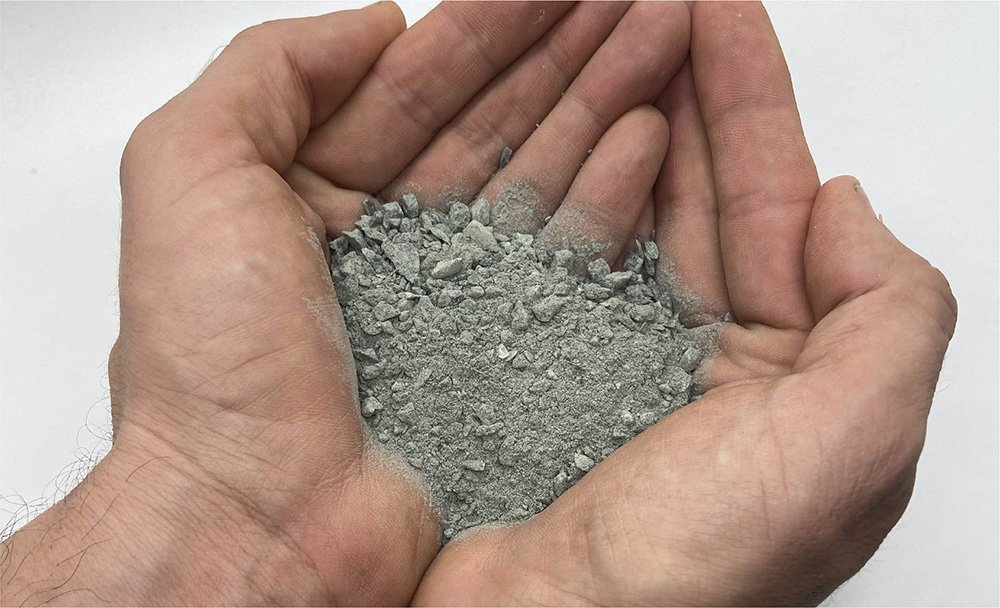
Stancills supplied 12 tons of Organic-Lock Stabilized Aggregate in English Grey to cover 625 square feet at Lamonis’ Garden.
Creating an accessible, durable, and functional garden space required overcoming several key challenges during planning, installation, and early use. Each challenge provided valuable insights that will inform future accessibility-focused landscape projects.
1- Design for Different User Needs: Creating an accessible, durable, and functional garden space required overcoming several key challenges during planning, installation, and early use. Each challenge provided valuable insights that will inform future accessibility-focused landscape projects.
2- Installlation Learning Curve: The project was completed with volunteer labor. While some volunteers had road construction experience, working with stabilized aggregate was a new process for the team. Ensuring proper installation required clear guidance on material handling, hydration levels, and compaction techniques. Stancills provided detailed installation guides and technical support, helping volunteers successfully navigate the learning curve. One key challenge was managing moisture levels during installation, particularly when light rainfall required on-the-spot adjustments. Edge stability served as another specific learning opportunity. One section degraded slightly when wooden forms were removed too early. Despite these variables, the forgiving nature and reworkability of Organic-Lock Stabilized Aggregate (OLSA) allowed for minor errors to be corrected without compromising the final surface.
3- Unstabilized Entrance vs. Stabilized Garden: While the garden surfacing itself is stabilized aggregate, the entrance path was constructed with unbound compacted grit, which has since required frequent maintenance due to erosion. This contrast between this section and the garden has highlighted the superior performance of OLSA in maintaining a firm, stable surface over time. "If I were to do it all over again, I would have included the pathway leading to the site in the Organic-Lock installation because you can feel the difference - it's more firm, more level, and requires less maintenance,” commented Gulick.
Since its completion, Lamoni’s Garden has become a space where individuals of all abilities can engage in gardening, vocational training, and social interaction. The design has removed barriers that previously made outdoor activities difficult for wheelchair users and individuals with mobility limitations. With an open layout, modular planters, adaptable raised beds, and a stable surface, the garden supports independence and inclusion.
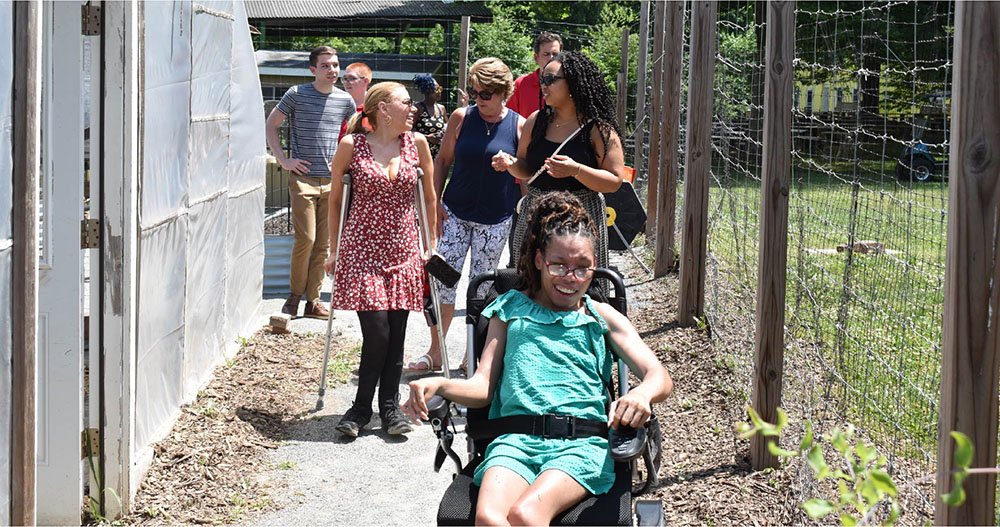
Lamoni’s Garden was unveiled in June 2024 in a surprise dedication to its namesake. Invited under the impression that she was attending an accessibility event, Lamoni arrived to find the garden had been named in her honor. As the first official act in the garden, she planted a seedling – a powerful moment symbolizing growth, resilience, and the sense of belonging the space represents.
“The moment Lamoni realized the space was named after her was unforgettable,” recalls Gulick. “She was completely shocked, and you could just see how much it meant to her.”
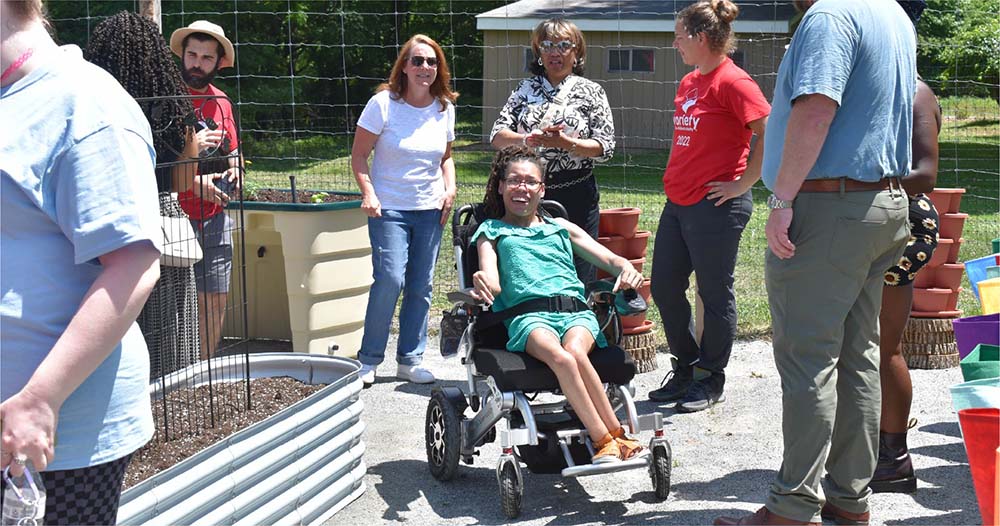
The success of Lamoni’s Garden has sparked plans for additional accessibility improvements throughout Variety’s campus. Future projects include expanding the use of stabilized aggregate in more garden areas, incorporating an accessible fire pit, and integrating OLSA into other outdoor recreational spaces.
Lamoni’s Garden has reshaped the way outdoor spaces are designed at Variety, reinforcing the importance of environments where everyone, regardless of mobility challenges, can fully engage. “Lamoni’s Garden was born out of struggle,” says Larcinese. “We learned from it, and now we are making sure no one ever hears, ‘you can’t participate’ again.”
When asked what advice he would give to designers and planners, Larcinese emphasized the value of inclusive thinking from the start.
“MAKE SURE YOU’RE INVOLVING THE POPULATION YOU’RE BUILDING THE SPACE FOR. AND IF YOU’RE DESIGNING FOR THE GENERAL POPULATION, WHY NOT TALK TO PEOPLE THAT HAVE SOME UNIQUE NEEDS AND SEE IF THE SPACE WOULD WORK FOR THEM? IN MANY CASES, MINOR MODIFICATIONS CAN REMOVE BARRIERS AND ALLOW FOR TRUE INCLUSIVITY.”
– Nicholas Larcinese, Variety Director of Programming
Variety – the Children’s Charity of the Delaware Valley – https://varietyphila.org/
Stancills – https://stancills.com/
Organic Lock – www.organic-lock.com/